Guler 40% * 100 cm = 40 cm *2,5 ochiuri = 100 ochiuri
prima inmultire: 0,33 *100 =33 => 100 / 33 = 3,03 la fiecare al 3-lea ochi facem o inmultire. Ochiurile finale vor fi deci (33*3)+1+33 =133 ochiuri >>>> 33 de ochiuri intra de 3 ori in 100 de ochiuri si ne ramane 1 ochi pe care il lucram asa cum este el si adaugam cele 33 de ochiuri pe care tocmai le-am adaugat la fiecare inmultire <<<<
apoi lucram cateva randuri fara inmultire
a doua inmultire: 0,33 * 133 ochiuri = 43,89 => aleg 44 ochiuri => deci 133 / 44 = 3,02 la fiecare al 3-lea ochi facem o inmultire. Ochiurile finale vor fi deci: (3*44)+1+44 = 177 ochiuri
Se lucreaza cateva randuri ca sa se aseze modelul
a treia inmultire: 0,33*177 = 58 => 177/58 =3 => la fiecare al 3-lea ochi facem o inmultire. Ochiurile finale vor fi deci: (3*58)+3+58 = 235 ochiuri >>>>> 3*58 = 174 dar noi avem 177 deja lucrate deci, 3 ochiuri le vom lucra asa si adaugam 58 de ochiuri fix cate am inmultit <<<<<
lucram iarasi cateva randuri ca sa se aseze modelul
lucram tot asa pana ajungem sa avem toate cele 400 de ochiuri pentru Yoke
Impartim fata/spate si brate:
400 de ochiuri Yoke – 276 (piept) = 124 ochiuri ne raman pentru maneci
Subrat eu intotdeauna adaug 8% * circumferinta piept => 0,08 * 100 = 8 cm * 2,5 ochiuri = 20 de ochiuri de adaugat pt fiecare subrat.
276 / 2 = 138 pentru fata si 138 pt spate. Sau adaugati mai mult pentru fata decat pt spate pentru ca fata este mai proeminenta decat spatele. SI invers pentru bluzele barbatilor (pentru ca ei au spatele mai lat).
Sper ca aceste calcule v-au fost de ajutor!
Va pup si va doresc sa va iasa toate calculele! :-))
*toate pozele din acest material au fost colectate de pe internet
Atunci cand dorim sa avem vanzari mai multe, trebuie sa ne gandim si la partea vizuala, din punct de vedere al cromaticii.
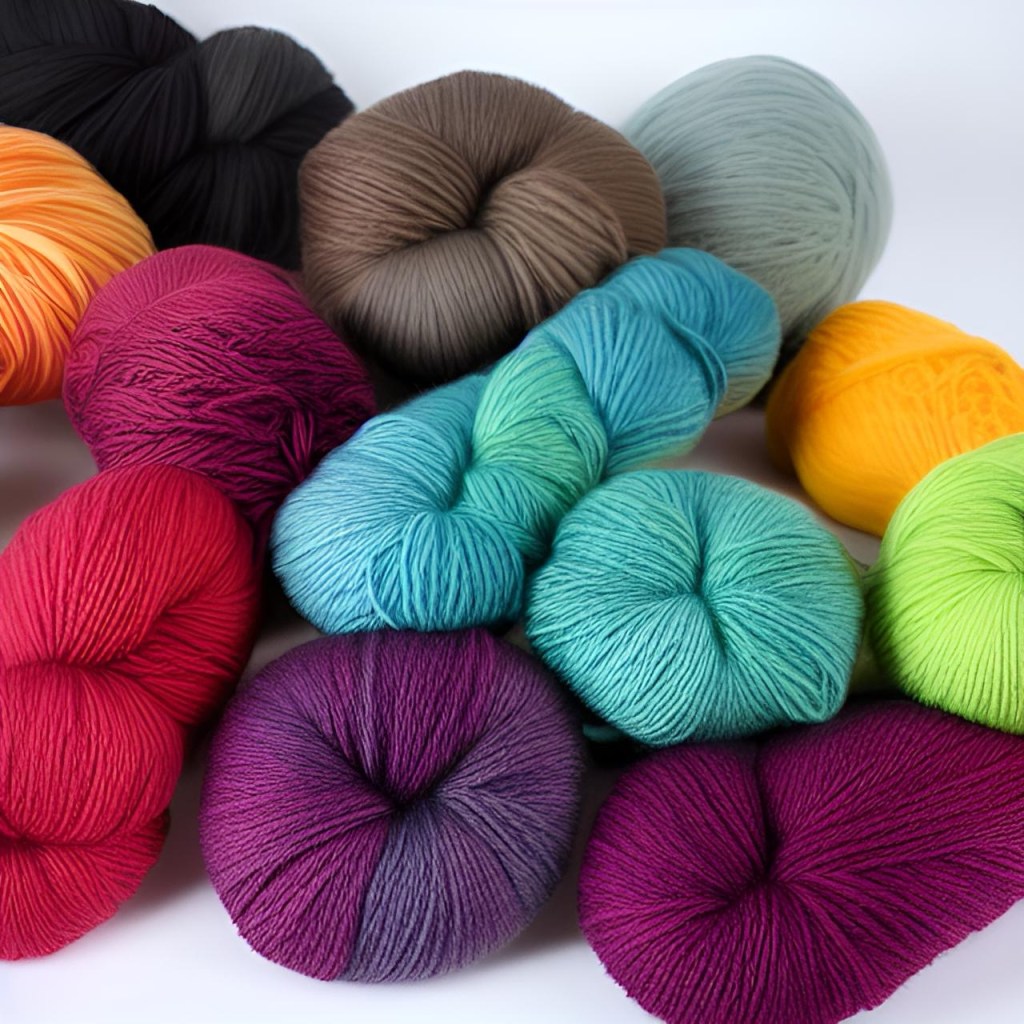
Mai exact, ce #culori folosim ca sa ne iasa un obiect extrem de frumos.
Patternul sau modelul dupa care lucram poate fi unul extraordinar dar, daca nu folosim corect #culorile atunci nu vom avea succesul pe care ni-l dorim.
In #vanzari, #culoarea are un puternic mesaj emotional. #culoarea este aceea care capteaza sau respinge audienta. Cu ajutorul #culorii poti face oamenii sa vada ceea ce vrei tu ca ei sa vada, sa simta ceea ce vrei tu sa transmiti si sa faca ceea ce tu vrei ca ei sa faca.
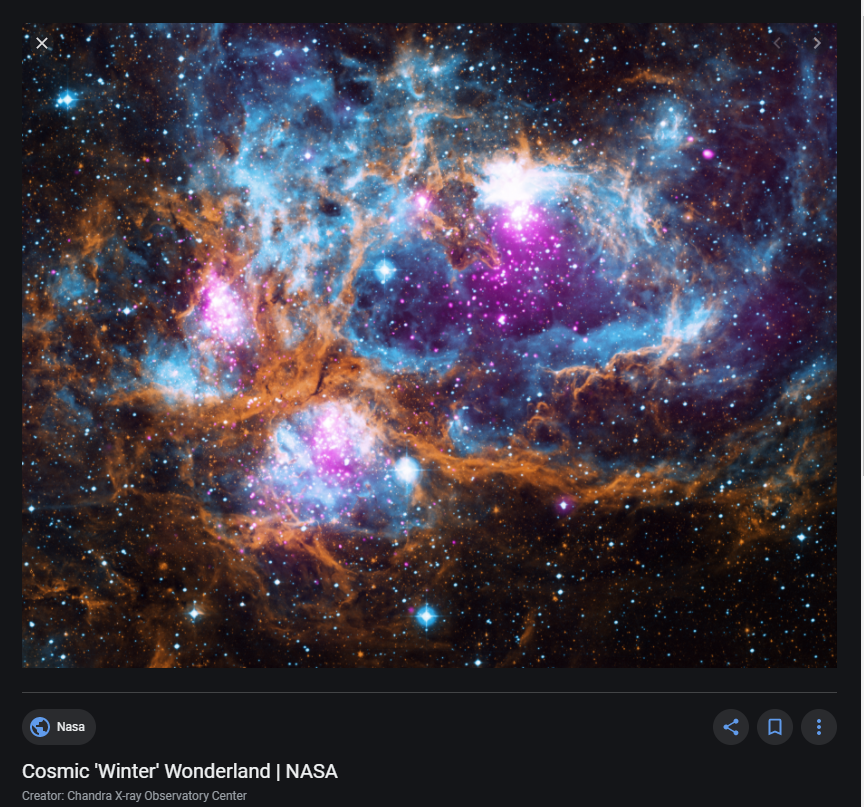
Chiar si Nasa este interesata de #culori si ne ofera atatea poze din care ne putem inspira.
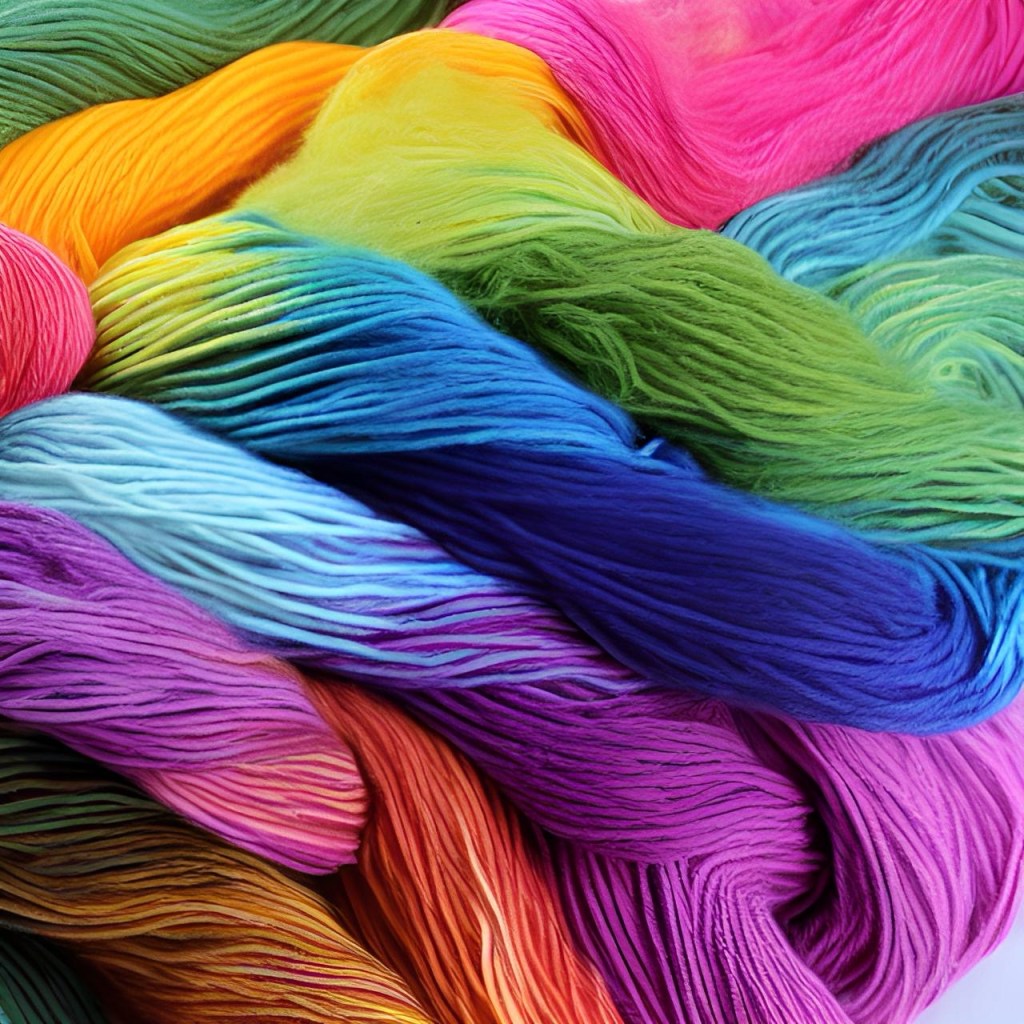
Hai sa vorbim despre #culori si cum le putem folosi pentru a crea un efect de “WOW“.
In primul rand, hai sa dam o definitie.
#Culoarea este calitatea unui obiect sau a unei substanțe cu privire la lumina reflectată de obiect, de obicei determinată vizual prin măsurarea nuanței, saturației și luminozității luminii reflectate; saturație sau cromă; #nuanţă.
De unde ne putem inspira?
Pai, in primul rand din #natura.
Primavara vine cu o multitudine de #culori si mirosuri imbietoare de la flori si, practic, de la intreaga natura care parca “infloreste”, “inverzeste”, revine la viata dupa iarna grea si geroasa.
Ia ganditi-va ce frumos ar arata un roz langa un verde crud.
Sau mov cu verde
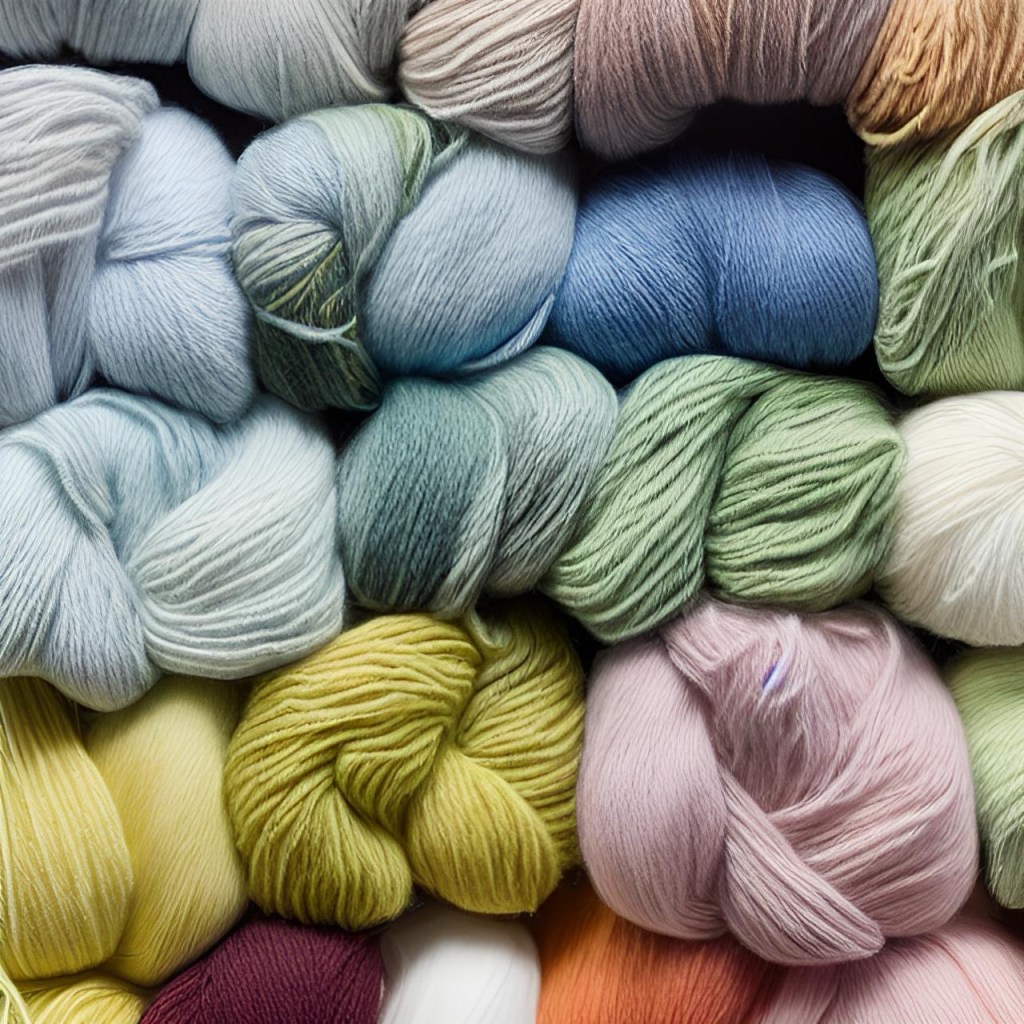
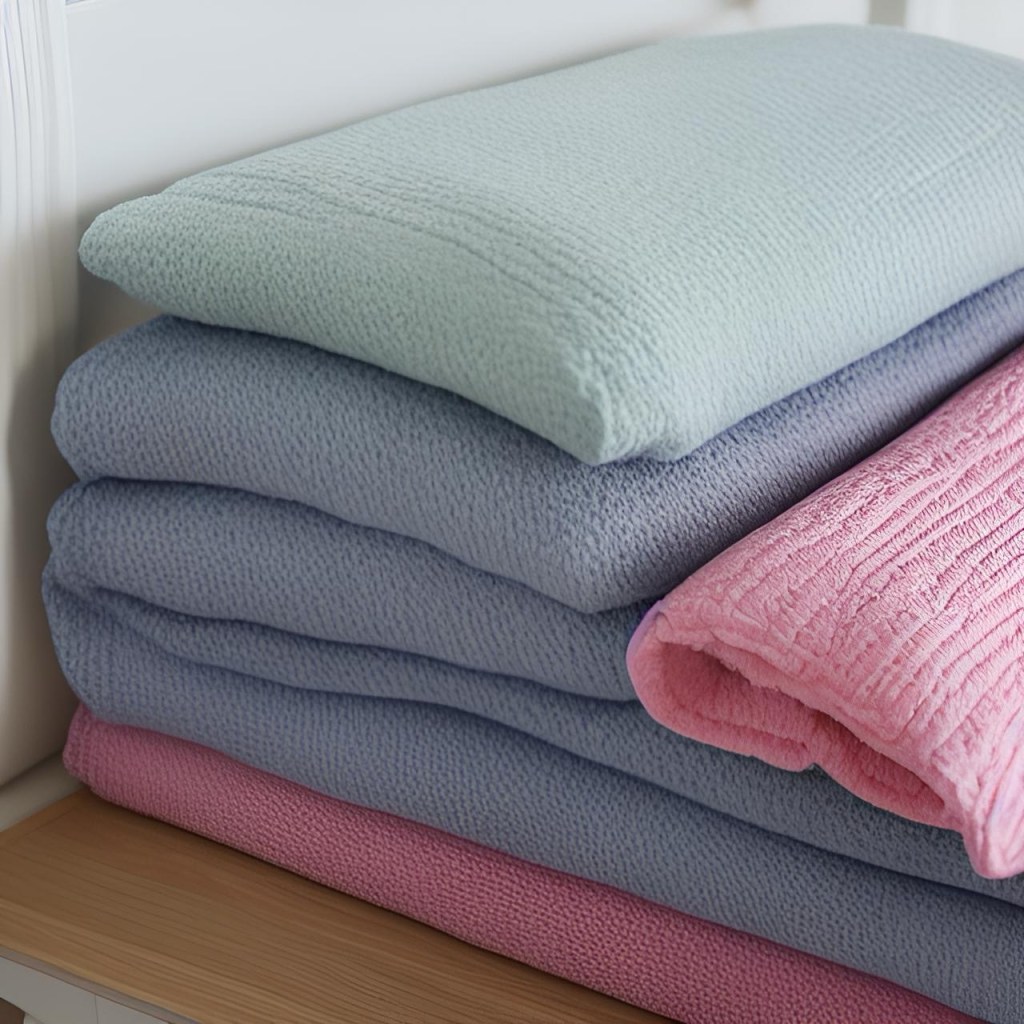
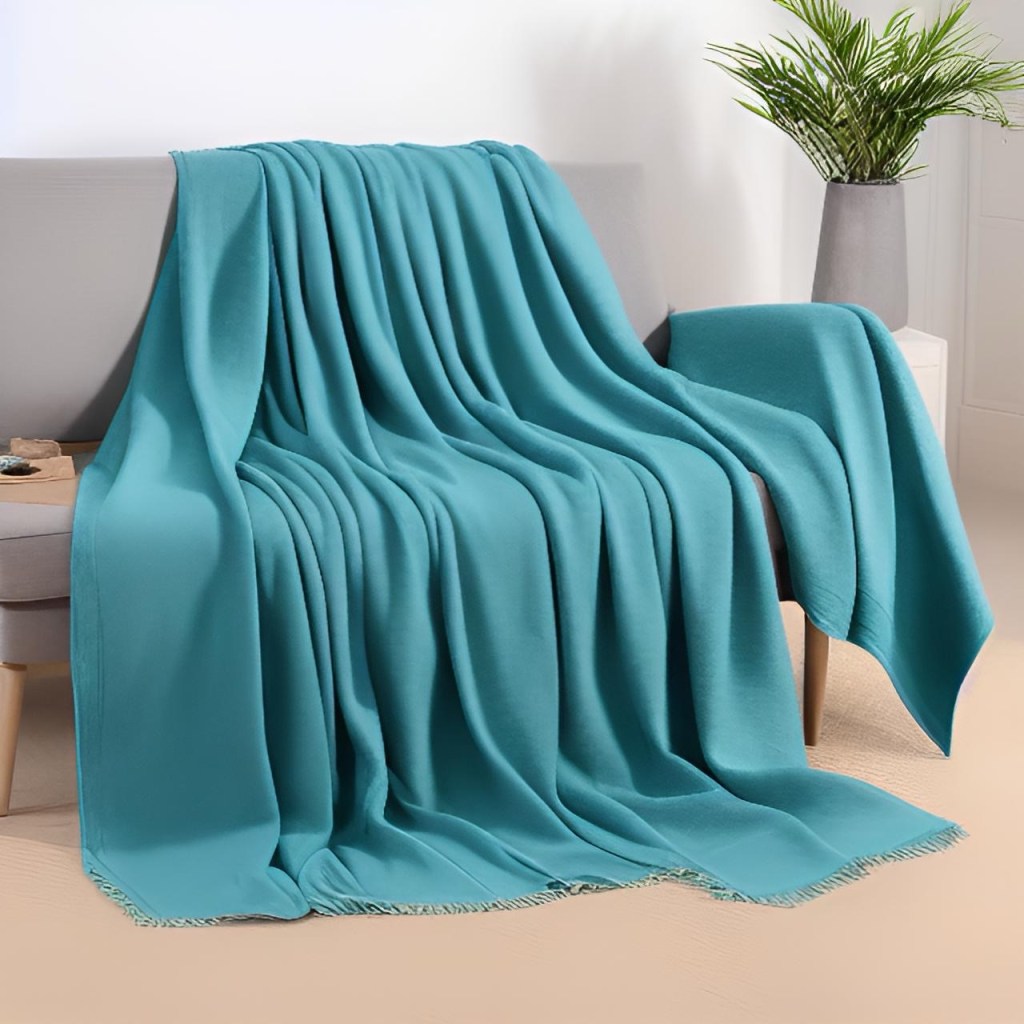
O paturica din culori caldute si reci, pale, poate calma privirea si privitorul.
Bleu + roz + galben pai + verde pal + maro
Vara vine apoi cu toropeala ei dar si cu #culorile calde, imbietoare si care iti transmit doar pozitivitate dar si inflacarare, arsita, dorinta, distrugere, oboseala, extenuare, supravietuire.
Daar, vara inseamna si fructe zemoase, legume care ii transmit sanatate, pofta de viata.
Florile de toate felurile si plajele cu nisipul arzator te cheama sa te bucuri de viata.
Tine minte!
Rosu + portocaliu + galben poate obosi ochiul
Dar
Rosu + negru poate da senzatia de putere si senzualitate
Toamna, oh, frumoasa toamna cu ale ei nuante de care poti doar sa te indragostesti.
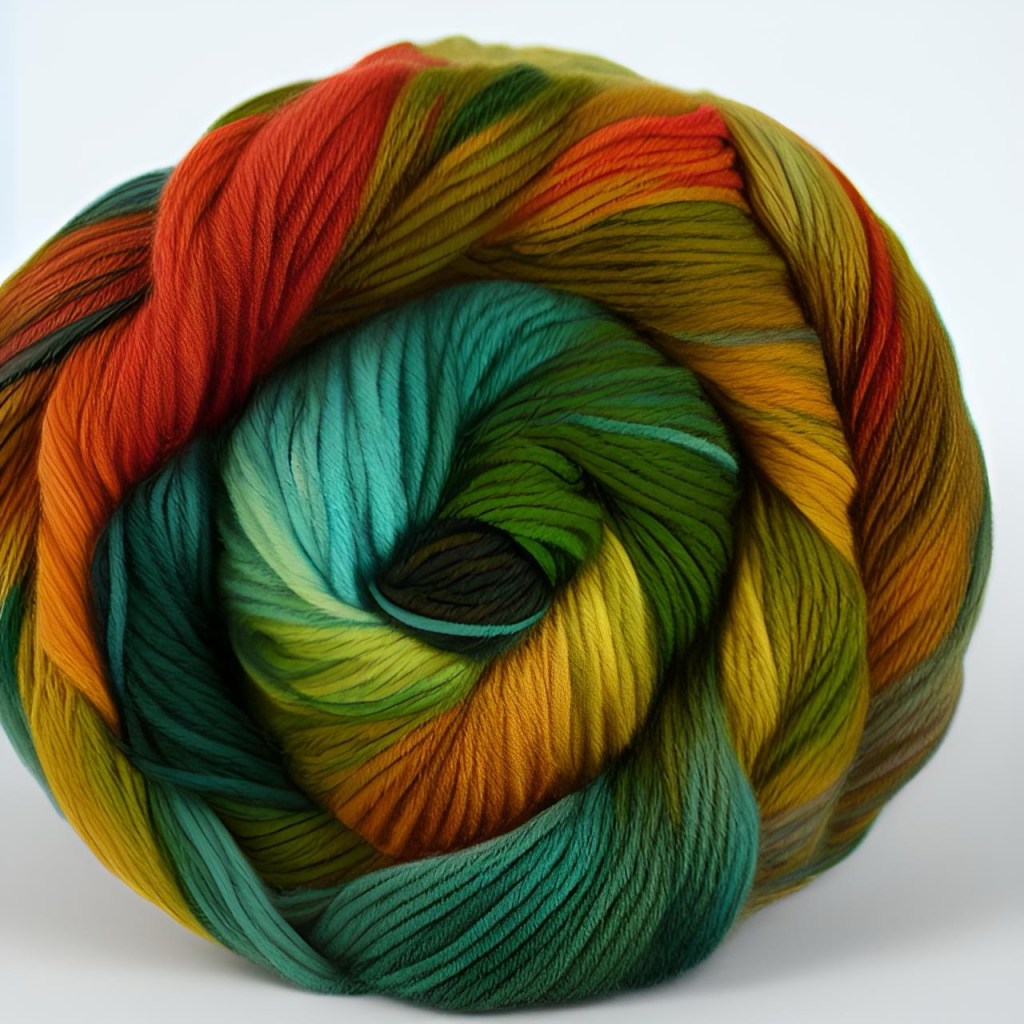
Rosu purpuriu, maro, portocaliu inchis, verde, albastru smarald, albastrul cerului inainte de furtuna
Si apoi iarna. Rece, distanta dar fermecatoare.
Culorile ei reci te fac sa te treaca fiori dar in acelasi timp te simti indragostit pe veci.
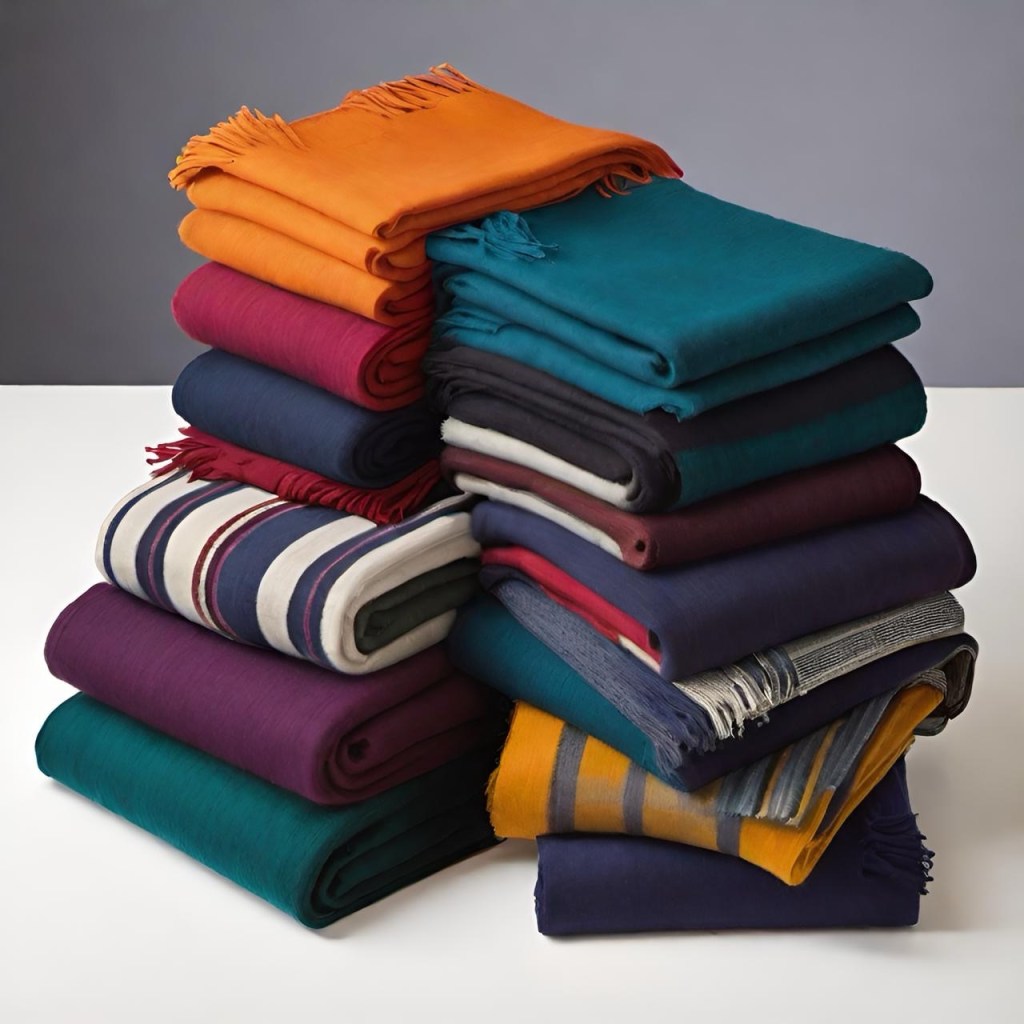
Bleu + bleumarin + alb + verde iedera va fi intotdeauna o alegere perfecta.
Ce #emotii ne transmit culorile?
#Albastrul ne transmite: calm, siguranta, integritate, pace, loialitate, incredere, inteligenta dar si raceala, frica, masculinitate
#Turcoise duce in lumea spiritualitatii, a vindecarii, ne transmite protectie, sofisticare dar si feminitate si invidie.
#Verde este culoarea prospetimii, a mediului inconjurator, aduce cu ea noutate, bani, fertilitate, vindecare, pamant dar si invidie, gelozitate si vina
#Galben vine de la lumina, zi insorita, energie, caldura, fericire, infatuare, bucurie, intelect dar si de la iresponsabilitate si instabilitate.
#Violet este culoarea regilor si inseamna noblete, a avea drepturi, a fi spiritual, luxos, ambitios, bunastare dar si cu toane si mister.
#Rozul este culoarea feminitatii, a fericirii, compasiunii si spiritului jucaus, dulce. De asemenea mai inseamna si sanatate. Dar, adduce cu el si imaturitate si slabiciune.
#Rosul este prenumele dragostei, a pasiunii si a dorintei. Culoarea ne mai transmite si energie, putere, caldura dar si nervozitate, pericol si atentionare.
#portocaliul sau curajul, confidentul, prietenia sau succesul. Mai inseamna si ignoranta si tembelism. 😊
#maro vine de la pamant, longevitate, prietenos dar mai inseamna si conservative si dogmatic.
#culoarea naturala sau #tan este o culoare care “depinde” de alte culori pentru a o pune pe ea in evidenta. Este si o culoare flexibila, in sensul ca o poti combina destul de usor cu alte culori dar folosita in exces da senzatia de plictiseala si este destul de conservative.
#gold sau #aur ne transmite prosperitate, bogatie, intelepciune, valoare dar este si culoarea egoismului si a neprihanirii de sine (persoana care se crede superioara celorlalte si fara de pacat)
#argint sau #silver este culoarea inaltei tehnologii, este si plina de farmec, gratioasa si eleganta. Cu toate acestea iti transmite si indecizie, plictiseala, fara angajare
#alb Albul este non-culoarea inocentei, a puritatii, a prospetimei. Mai inseamna si usor si curat. Dar, de asemenea, este si culoarea izolarii si a goliciunii.
Culoarea #gri ne duce cu gandul la securitate, fiabilitate, inteligenta dar si la tristete.
#Negrul este culoarea elegantei, a protectiei, dramatismului si formalitatii. De asemenea de duce cu gandul si la moarte, mister, rau.
Today I will be short and I would like to give you a hint or, better said, a ready made questionnaire for you to complete, in the times when you don’t know for sure if the new goal that you have just set, will help you in your needs or you have to add more resources.
This questionnaire can be used in all situations in your life. So, use it whenever you feel stuck😃
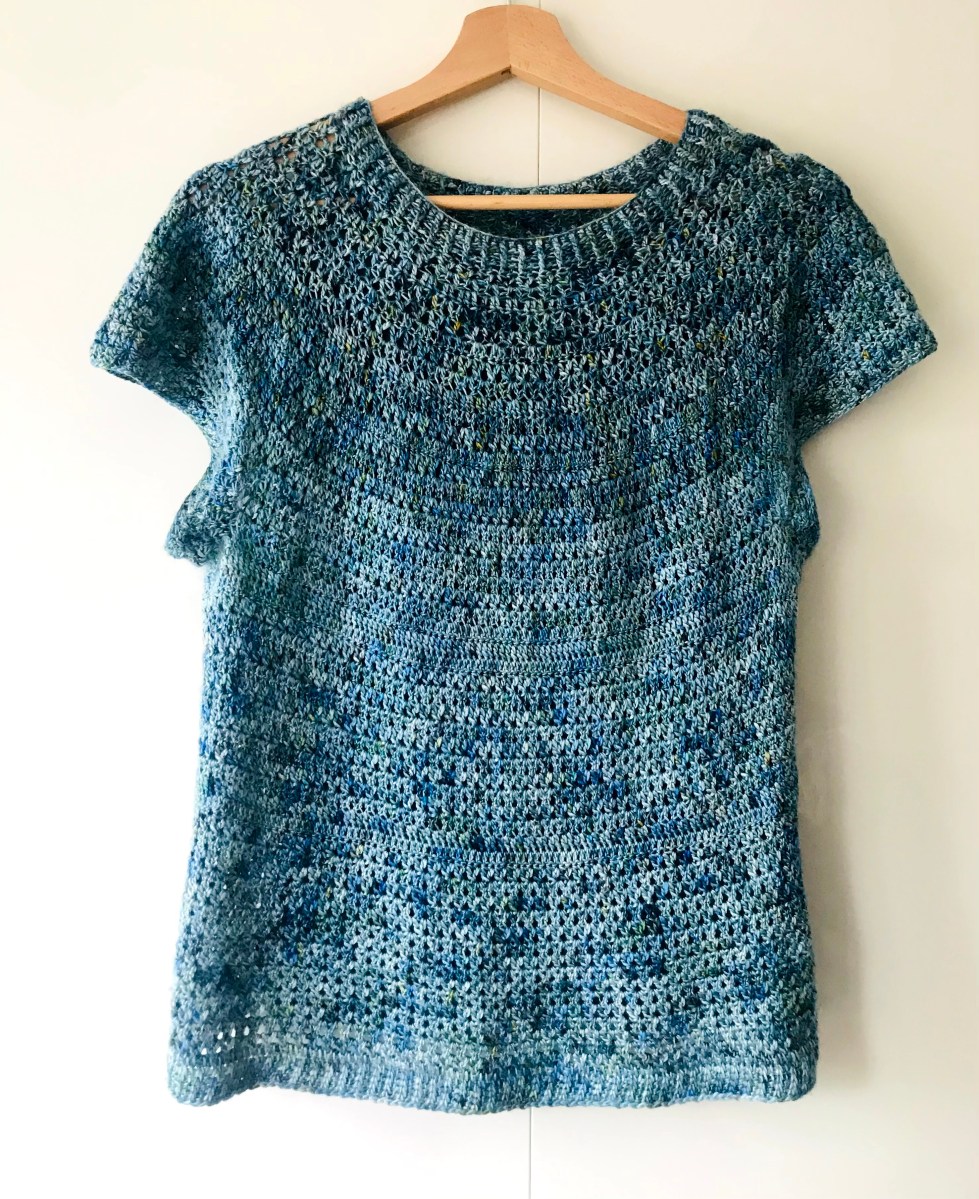
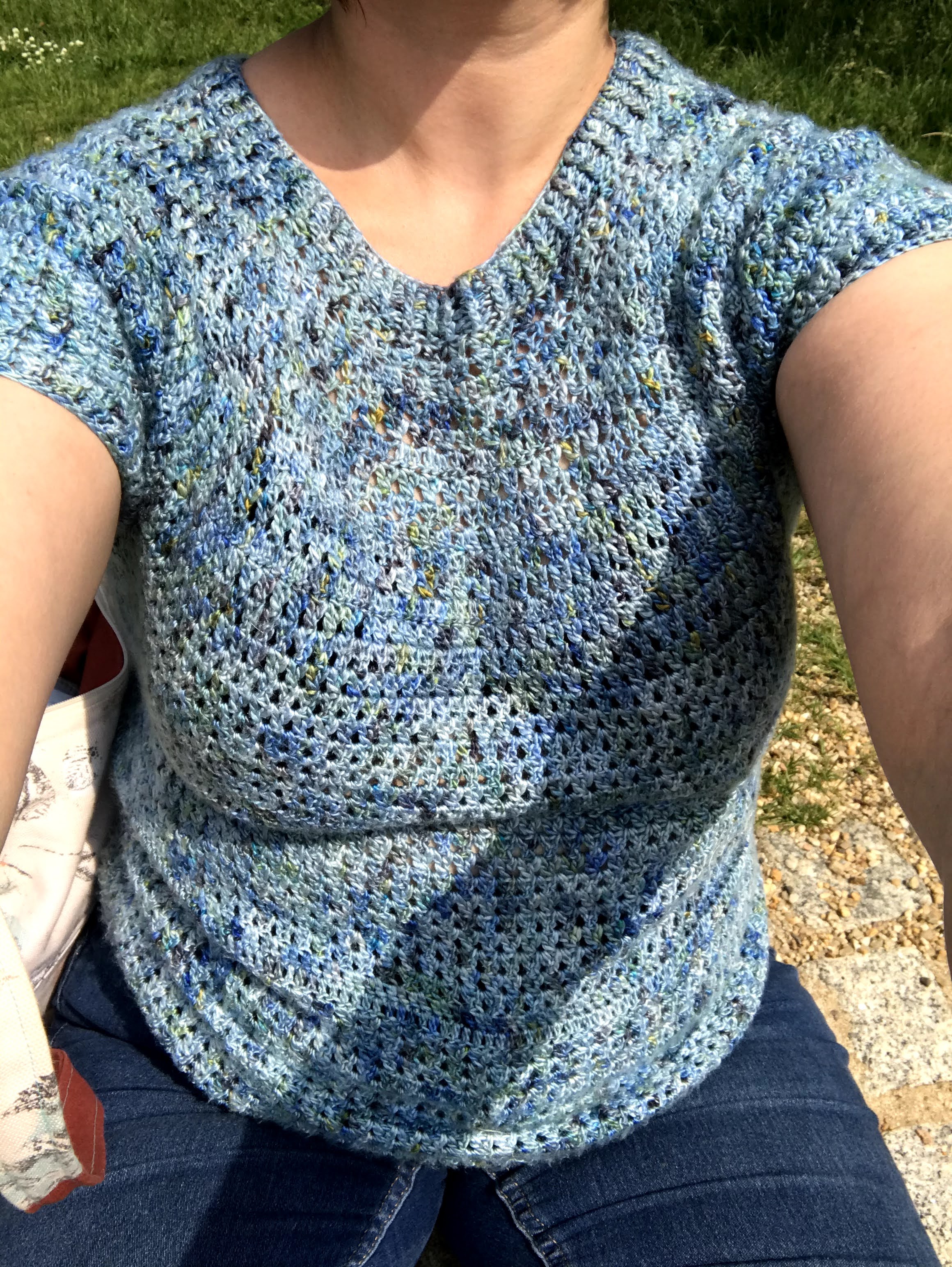
You might ask yourself why should you start designing your own clothes when there are so many people designing garments or, so many clothes already in the shops.
Or, maybe, you think that this is an easy thing, as you’ve been knitting or crocheting for a lifetime.
Or, maybe, for you it’s a hard or impossible thing because you lack of some knowledge in this area and, anyhow, you don’t look like a designer.
Well, I can tell you for sure that a designer have exactly your look and, if you don’t like the idea of creating your own clothes, it’s ok to go and buy them from the shop, just that you will look the same like all the other people.
If you wanna be unique, you can make your own clothes or you can ask someone to make them.
In this way, you will know exactly what yarn was used and that was made especially for you.
When you create your own clothes, you know exactly that that garment is unique, only because no one else is knitting or crocheting like you! Each one of us is unique.
Your body is unique and therefore, you can create the pullover exactly as you wish.
Happy knitting or crocheting your very unique pullover.
Update:
I have some videos about this sweater. You can find them here:
My name is Ditza and I love to knit, crochet, sew…to create beautiful and useful things for the house or personal use. I also love to go in holidays so, maybe, I will also add some personal experiences from my travels.
That’s why, I felt the need to share this experience with you and, I hope, you will find some useful items to add for your personal purpose.
Handmade helps me to clear my mind of unwanted thoughts. When I knit or crochet, is like my brain takes a respiro from all the things I have to do or things that I should not think. Yep, we all have “thoughts”, right? :-)) Maybe, also yours are also loud like mine :-))) So, that’s why I do knit, crochet, sew. To clear my mind and to gain a positive mood. I need to have a positive mood, otherwise I would not be able to take care of me and my loved ones.
If you feel that you have two left hands when it’s about handmade, don’t worry. You are special throught other things. Maybe you love to cook, to take care about others, to read, to visit places. Just because you are alive, that you are here on this earth, that you breath, it makes you special.
This is my personal and first time when I create such content and site so, please, don’t be rush with me because I am in the learning process here :))
I love to share from what I know and I love to learn new things and to share them to the people.
All the knitted and crochet patterns that you find on this site are my property, I do design them and I do ask you kind to not copy&paste for reselling.☝
But, fell free to reproduce and sell the final product or garment for charity.
I will be grateful if you will link this blog to your created products, if you have created them after the patterns from this blog
You will also find products that I have created or I do create, inspired from other designers. Of course, I will always put the link to the direct designer.
All the pictures, videos, writing & patterns belong to me and they were made by me. If you have any question or suggestion, please, feel free to contact me.
My dear one, I thank you from the bottom of my heart for stopping by and I wish to return for new posts about this beautiful world of handcraft.
Dacă simți că vrei să creezi o bluză de vară, dar te pierzi între fire, culori și modele, lucrez acum la un curs ghidat în care te însoțesc pas cu pas – tehnic și emoțional.
“Bluza mea de vară” este un curs 1:1 online, ghidat, în care te însoțesc să îți creezi o bluză de vară croșetată sau tricotată, adaptată corpului, stilului și emoțiilor tale.
Nu urmezi un model rigid, ci înveți o structură flexibilă, pe care o personalizezi cu sprijinul meu.
Dacă simți ca este pentru tine, înscrie-te aici pe lista de așteptare:
Handmade Crochet Coin Purse – “Little Heart, Big Story” ❤️
✨ Every stitch tells a story.
This fiery red crochet purse was lovingly handmade, loop by loop, with the intention of holding more than just coins. It’s here to protect your tiniest treasures — a lucky charm, a folded love note, a keepsake from someone dear — and keep them close to your heart.
Its soft, textured yarn gives it warmth and personality, while the silver kiss-lock clasp adds a timeless, vintage touch. Compact yet roomy, it slips easily into your handbag or pocket, making it the perfect companion for everyday adventures.
Features:
🧵 100% handmade crochet work ❤️ Vibrant red for a bold, timeless look 🔒 Secure silver kiss-lock clasp 📏 Compact size: perfect for coins, jewelry, and keepsakes 🎁 Comes beautifully packaged – perfect for gifting
Why You’ll Love It:
This is not just an accessory — it’s a piece of handmade art that carries the warmth, patience, and joy of the person who made it. Unlike mass-produced purses, each one is unique and tells its own story.
💰 Price: 55 €
(Special launch offer: 49 € – for the first 5 customers only!)
In the world of textiles, blending different natural fibers has become an art form that combines the best properties of each fiber to create garments with superior comfort, performance, and sustainability. Mixing natural fibers such as cotton, wool, silk, linen, and more can offer a range of benefits that enhance our clothing experience and contribute to our well-being. Let’s explore the properties and benefits of these fiber blends and how they positively impact our bodies.
The Benefits of Blending Natural Fibers
1. Enhanced Comfort and Softness:
Combining different natural fibers often results in fabrics that are softer and more comfortable to wear. For instance, blending cotton with silk can produce a fabric that retains the softness of cotton and the luxurious feel of silk. This combination enhances the overall tactile experience, making garments feel more pleasant against the skin.
2. Improved Breathability and Moisture Management:
Natural fibers like cotton and linen are known for their breathability and moisture-wicking properties. When blended with fibers like wool or bamboo, these fabrics can improve their ability to regulate temperature and manage moisture. For example, a cotton-linen blend can keep you cool and dry in hot weather, while a wool-silk blend can provide warmth and wick away sweat in cooler conditions.
3. Increased Durability and Strength:
Blending natural fibers can enhance the durability and strength of fabrics. For instance, combining linen with cotton can result in a fabric that is stronger and more resilient than either fiber alone. This increased durability ensures that garments last longer and can withstand regular wear and washing, making them a sustainable choice.
4. Versatile Aesthetics and Textures:
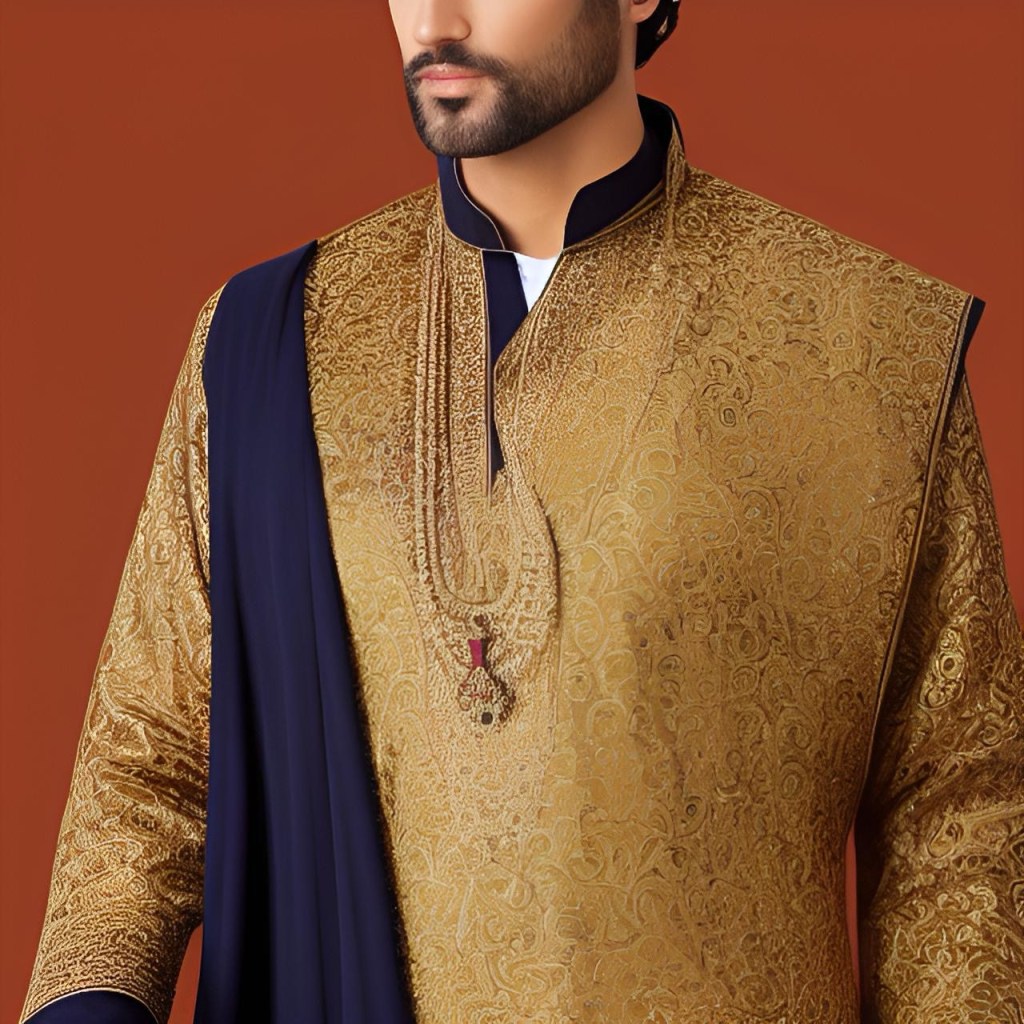
Natural fiber blends offer a wide range of aesthetic possibilities. Mixing fibers like wool and silk can create fabrics with unique textures and finishes, from the soft sheen of silk to the cozy warmth of wool. These blends allow designers to craft garments that are visually appealing and offer diverse textures, catering to various fashion preferences.
5. Reduced Allergens and Skin Irritation:
Natural fibers are generally hypoallergenic and gentle on the skin. Blending fibers like cotton, silk, and bamboo can minimize the risk of skin irritation and allergies, making these fabrics suitable for people with sensitive skin. The smooth texture of silk combined with the breathable nature of cotton can create a soothing fabric for those prone to skin issues.
Specific Fiber Blends and Their Benefits
1. Cotton-Wool Blend:
– Properties: Soft, warm, and breathable.
– Benefits: Combines the warmth and moisture-wicking properties of wool with the softness and breathability of cotton. Ideal for layering in cooler weather, providing warmth without overheating.
2. Silk-Linen Blend:
– Properties: Luxurious, strong, and breathable.
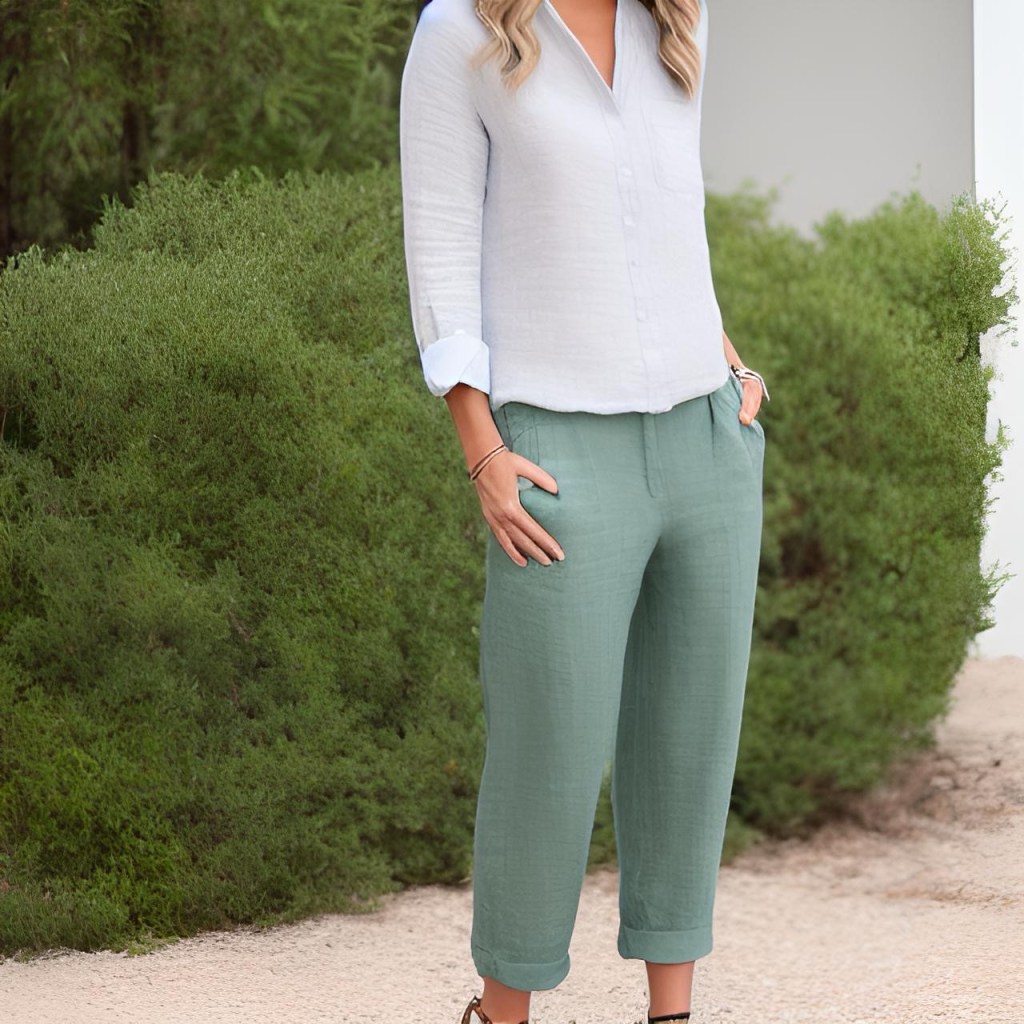
– Benefits: Merges the smooth, lustrous feel of silk with the strength and breathability of linen. Perfect for summer garments that offer elegance and comfort.
3. Cotton-Bamboo Blend:
– Properties: Soft, absorbent, and antibacterial.
– Benefits: Blends the softness and moisture-wicking properties of cotton with the antibacterial and eco-friendly qualities of bamboo. Suitable for activewear and everyday basics.
4. Wool-Silk Blend:
– Properties: Warm, soft, and insulating.
– Benefits: Combines the warmth and resilience of wool with the smoothness and sheen of silk. Excellent for luxurious winter wear that provides insulation and elegance.
5. Linen-Cotton Blend:
– Properties: Durable, breathable, and absorbent.
– Benefits: Mixes the strength and breathability of linen with the softness and absorbency of cotton. Ideal for casual summer wear that is comfortable and durable.
The Positive Effects on the Human Body
1. Temperature Regulation:
Natural fiber blends can help regulate body temperature more effectively than synthetic fibers. By wicking moisture away from the skin and allowing air to circulate, these fabrics keep you cool in the summer and warm in the winter, promoting overall comfort.
2. Skin Health:
Natural fibers are gentle on the skin and less likely to cause irritation. Blends that include hypoallergenic fibers like cotton, silk, and bamboo can reduce the risk of skin allergies and provide a soothing touch, contributing to healthier skin.
3. Enhanced Comfort:
The softness and breathability of natural fiber blends make them extremely comfortable to wear. This enhanced comfort can reduce stress on the body, particularly for those with sensitive skin or conditions like eczema.
4. Moisture Management:
Blended natural fibers excel at managing moisture, keeping the skin dry and comfortable. This is especially beneficial for active individuals or those living in humid climates, as it helps prevent chafing and discomfort.
Conclusion
Blending different natural fibers is a practice that brings out the best qualities of each fiber, resulting in garments that offer superior comfort, durability, and aesthetic appeal. These blends provide enhanced breathability, moisture management, and skin-friendly properties, making them an excellent choice for those seeking both performance and luxury in their clothing. By choosing garments made from natural fiber blends, you not only benefit from their exceptional qualities but also support sustainable and eco-friendly practices in the textile industry. Embrace the versatility and comfort of blended natural fibers and experience the positive effects on your body and well-being.
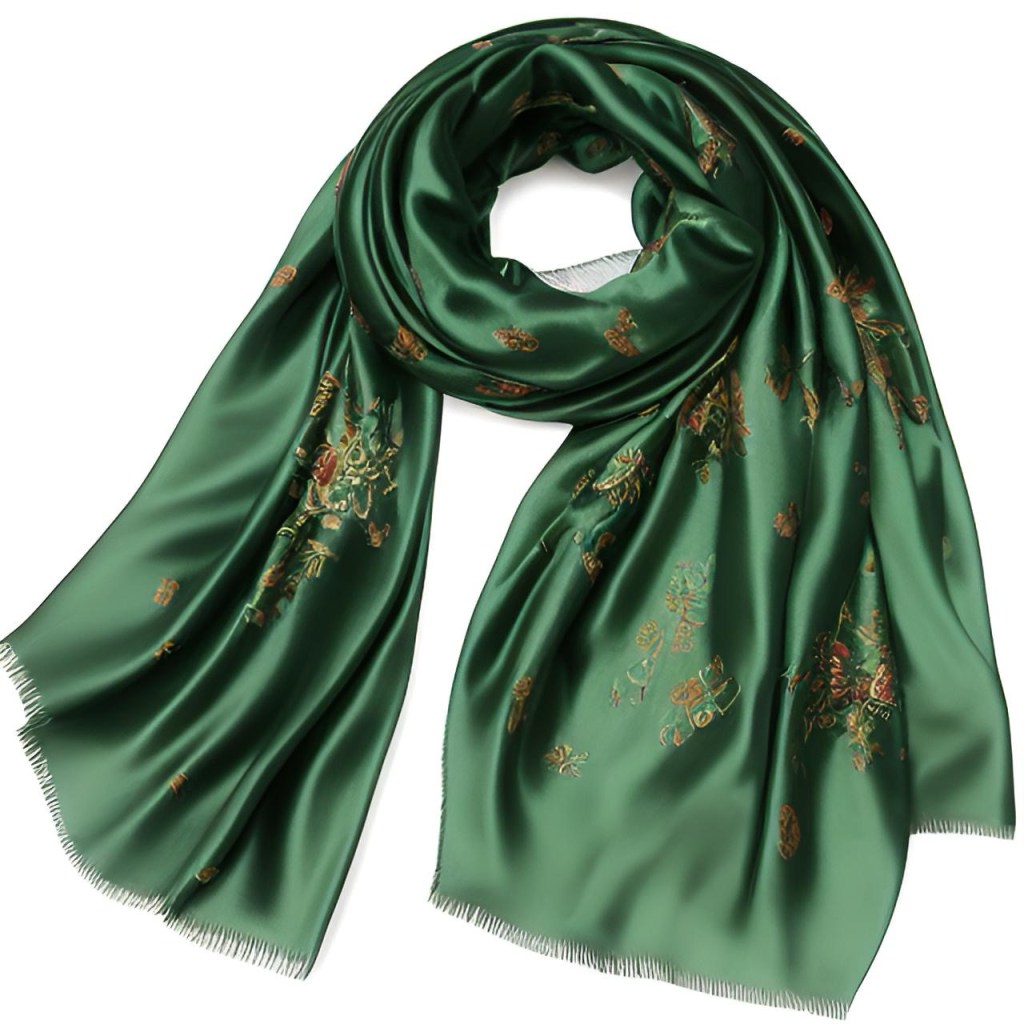
Silk, often referred to as the “queen of fibers,” has been coveted for centuries due to its unparalleled softness, sheen, and strength. This natural protein fiber, produced by silkworms, is not only a symbol of luxury but also a sustainable choice for eco-conscious consumers. Let’s explore the unique properties and benefits of silk yarn, its production process, and why incorporating silk into your wardrobe is an excellent decision for both you and the planet.
The Unique Properties of Silk Yarn
1. Luxurious Softness and Sheen
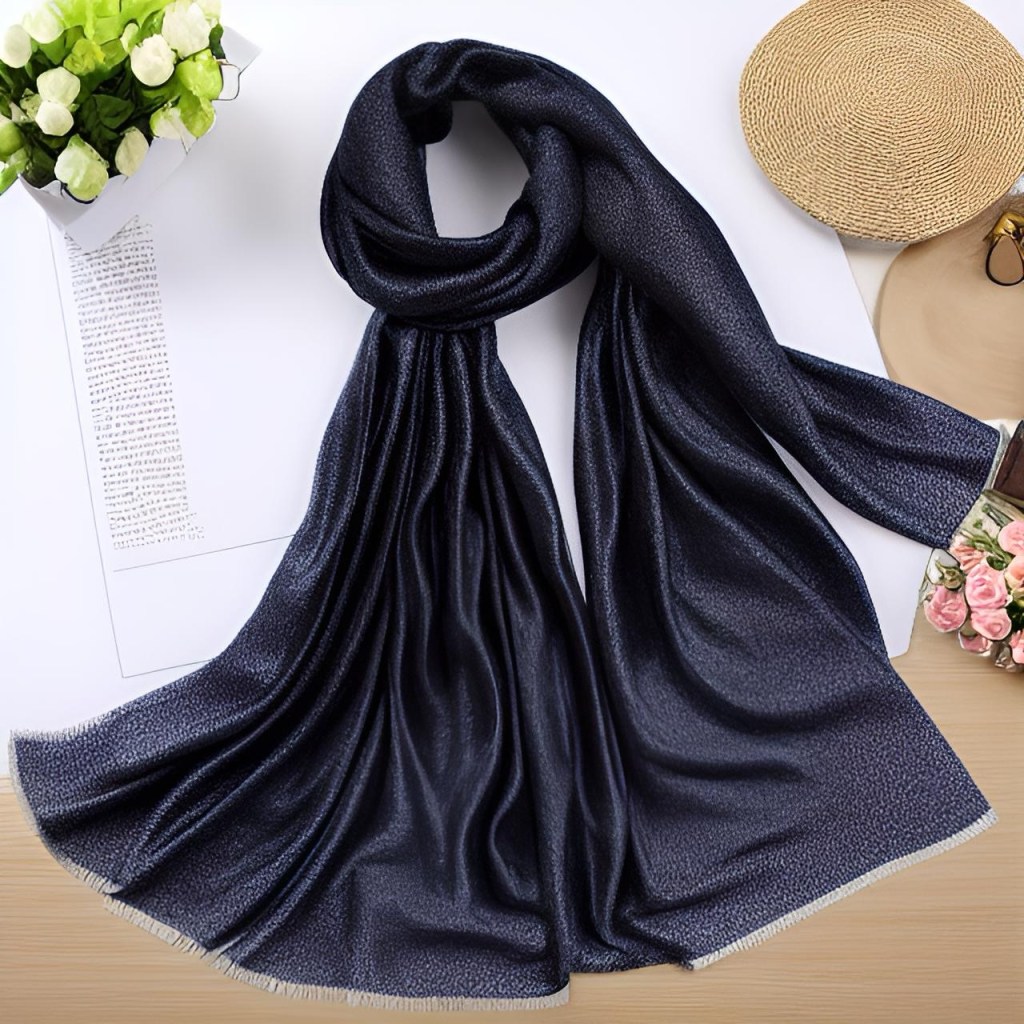
Silk is synonymous with luxury. Its smooth, soft texture feels gentle against the skin, providing unmatched comfort. The natural sheen of silk yarn gives garments a beautiful, lustrous appearance, making them perfect for elegant attire and accessories.
2. Strength and Durability
Despite its delicate appearance, silk is one of the strongest natural fibers. The long, continuous fibers of silk contribute to its durability, allowing silk garments to last for years with proper care. This strength makes silk suitable for a wide range of applications, from clothing to home textiles.
3. Breathability and Temperature Regulation
Silk is highly breathable and has excellent moisture-wicking properties. It can absorb up to 30% of its weight in moisture without feeling damp, helping to regulate body temperature. Silk keeps you cool in the summer and warm in the winter, making it a versatile fabric for all seasons.
4. Hypoallergenic and Skin-Friendly
Silk is naturally hypoallergenic, making it ideal for people with sensitive skin or allergies. It repels dust mites and other common allergens, contributing to a healthier living environment. Silk’s smooth texture also reduces friction against the skin, which can help prevent irritation and wrinkles.
The Environmental Benefits of Silk Yarn
1. Renewable and Biodegradable
Silk is a renewable resource, as it is produced by silkworms that can be farmed sustainably. The production of silk is a natural process that doesn’t rely on synthetic chemicals. Additionally, silk is biodegradable, decomposing naturally without leaving harmful residues, unlike many synthetic fibers.
2. Low Environmental Impact
Silk production has a relatively low environmental footprint. Silkworms feed on mulberry leaves, which require minimal pesticides and fertilizers. The farming and harvesting processes are less energy-intensive compared to synthetic fiber production. Moreover, silk dyeing processes have become increasingly eco-friendly, with many producers using natural dyes.
3. Supporting Traditional Practices and Communities:
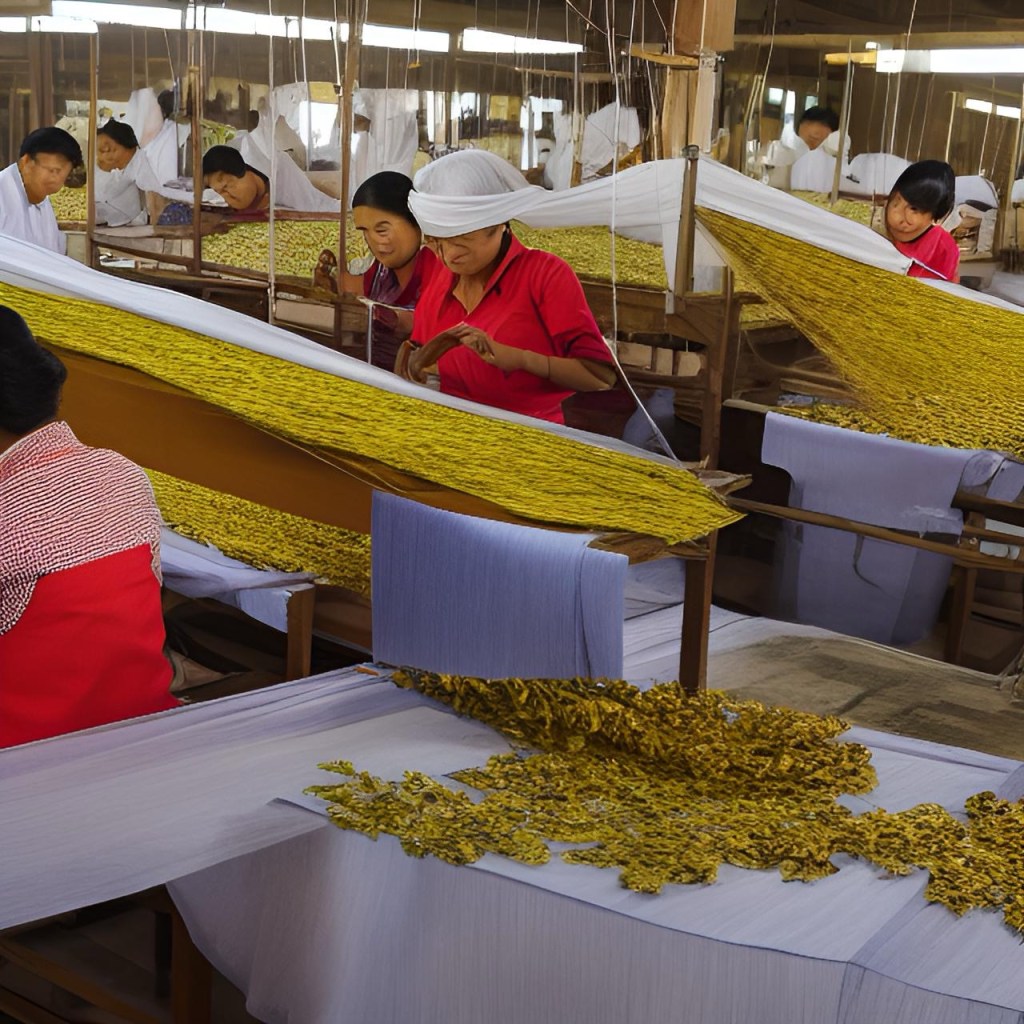
Silk production often supports traditional farming and weaving practices, particularly in regions where sericulture (silk farming) has been a cultural heritage for centuries. By choosing silk products, you contribute to the livelihoods of artisans and farmers in these communities, promoting sustainable economic development.
How Silk is Produced: An Insight into Sericulture
Silk production, known as sericulture, involves several key steps:
1. Raising Silkworms
Silkworms, primarily the larvae of the Bombyx mori moth, are cultivated in controlled environments. They are fed a diet of mulberry leaves, which are essential for their growth and silk production.
2. Spinning the Cocoon
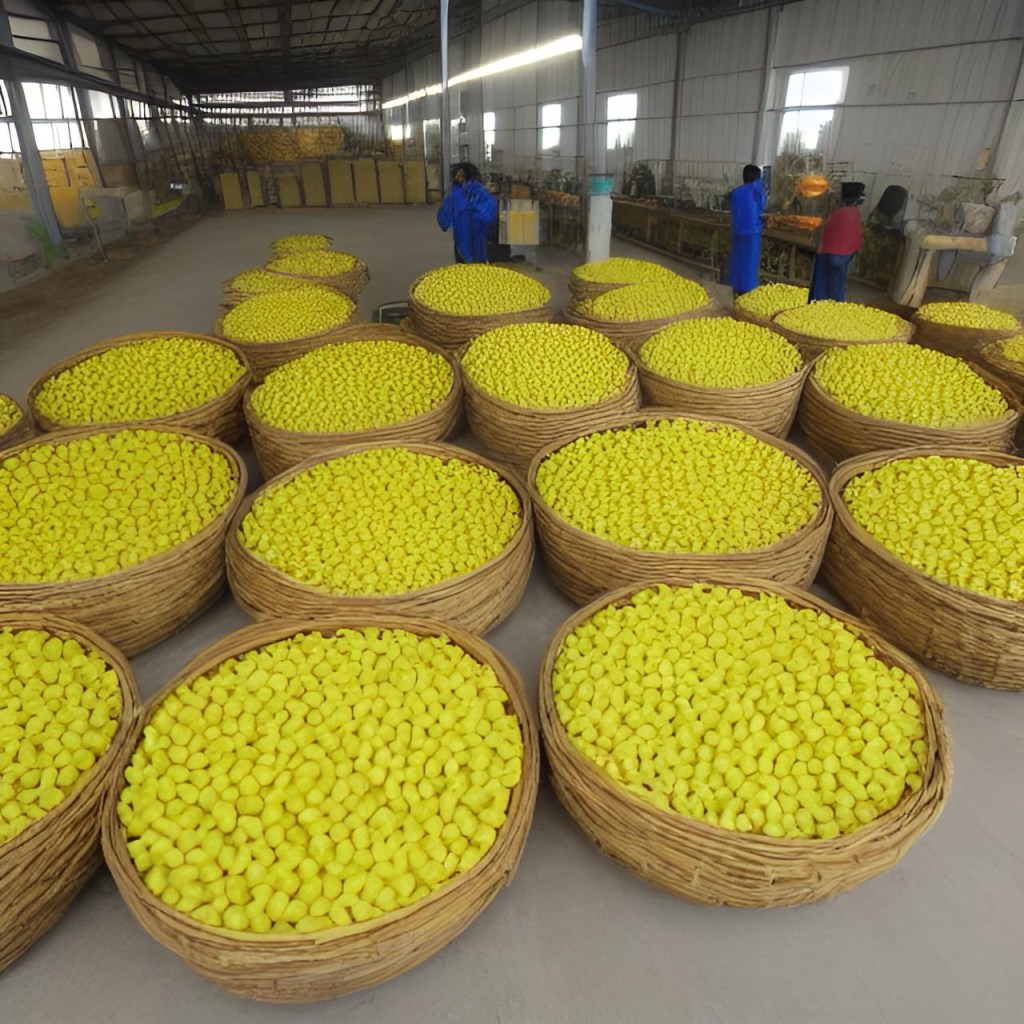
Once the silkworms mature, they spin cocoons made of a continuous silk filament. This process can take several days, during which the silkworm secretes fibroin (the protein fiber) and sericin (a bonding agent).
3. Harvesting the Silk
The cocoons are harvested and subjected to a process called “reeling,” where the silk filaments are carefully unwound. Each cocoon can yield approximately 1,000 meters of silk filament.
4. Processing and Weaving
The raw silk filaments are then twisted into threads and woven into fabric. This fabric can be dyed and finished to create luxurious silk garments and textiles.
Key Regions and Environmental Needs for Silk Production
Regions
Silk production is prominent in several countries, with China and India being the largest producers. Other notable producers include Thailand, Vietnam, Uzbekistan, and Brazil. Each of these regions has a rich tradition of silk farming and weaving.
Environmental Needs
– Climate: Silk farming requires a warm, humid climate. The ideal temperature for silkworms is between 20°C and 28°C.
– Mulberry Cultivation: Mulberry trees thrive in regions with ample rainfall and well-drained, fertile soil. The quality of mulberry leaves directly affects the quality of silk produced.
– Controlled Environment: Silkworms are highly sensitive to environmental conditions, requiring a controlled environment free from pollutants and extreme weather conditions.
Market Insights and Sales Numbers
The global silk market has seen steady growth, driven by increasing demand for luxury textiles and eco-friendly fabrics. According to recent market reports, the global silk market was valued at approximately $15 billion in 2022 and is projected to grow at a compound annual growth rate (CAGR) of around 4-5% over the next decade. China dominates the market, contributing to over 70% of global silk production, followed by India.
Why Choose Silk Yarn?
Choosing silk yarn means embracing a fabric that offers unmatched luxury, comfort, and environmental benefits. Whether you’re looking for elegant evening wear, sophisticated office attire, or luxurious home textiles, silk provides a versatile and sustainable option. Its unique properties make it a joy to wear, while its production supports traditional practices and eco-friendly farming.
So, the next time you’re shopping for new clothes or textiles, consider the many advantages of silk. You’ll enjoy the timeless elegance and durability of this exquisite fiber while making a positive impact on the environment. Silk’s blend of luxury and sustainability offers a perfect balance for those seeking both style and substance in their garments. Embrace the allure and eco-friendliness of silk yarn and discover why it has been cherished for millennia.
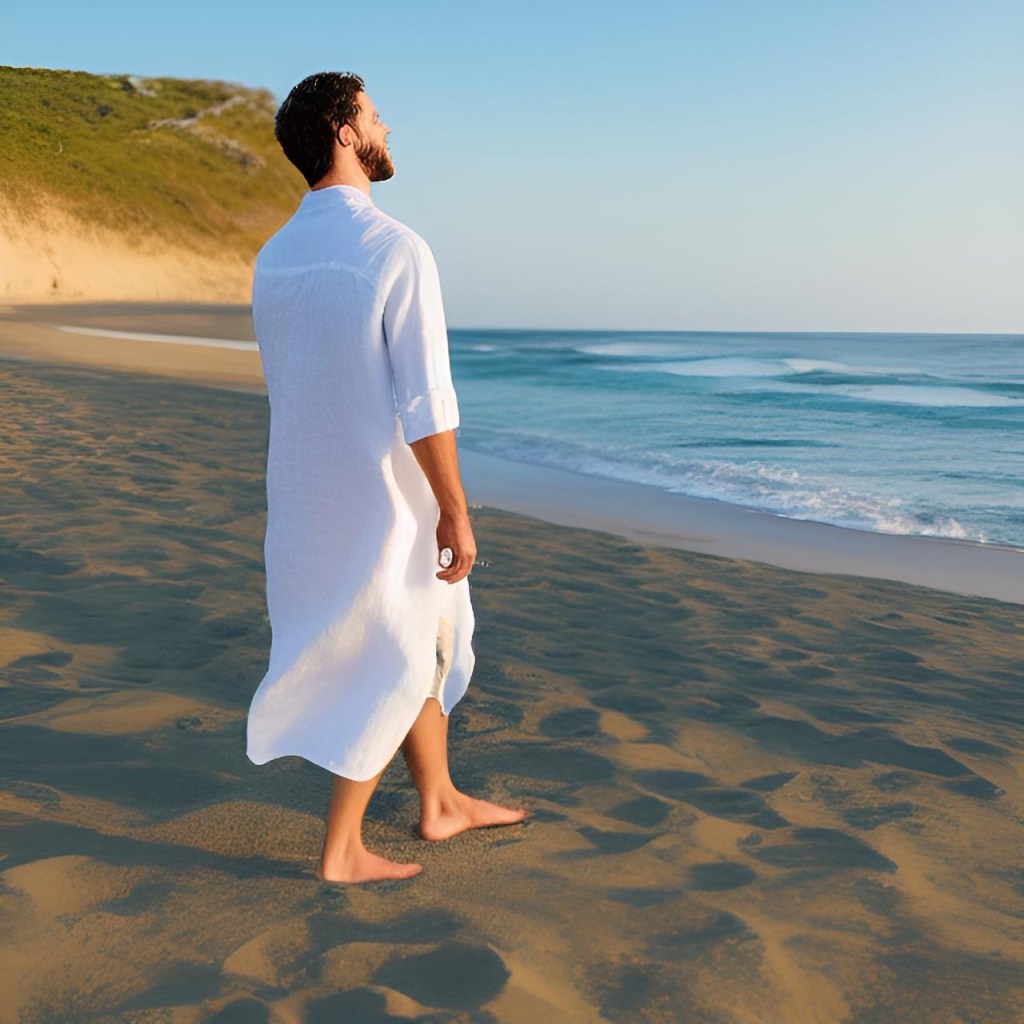
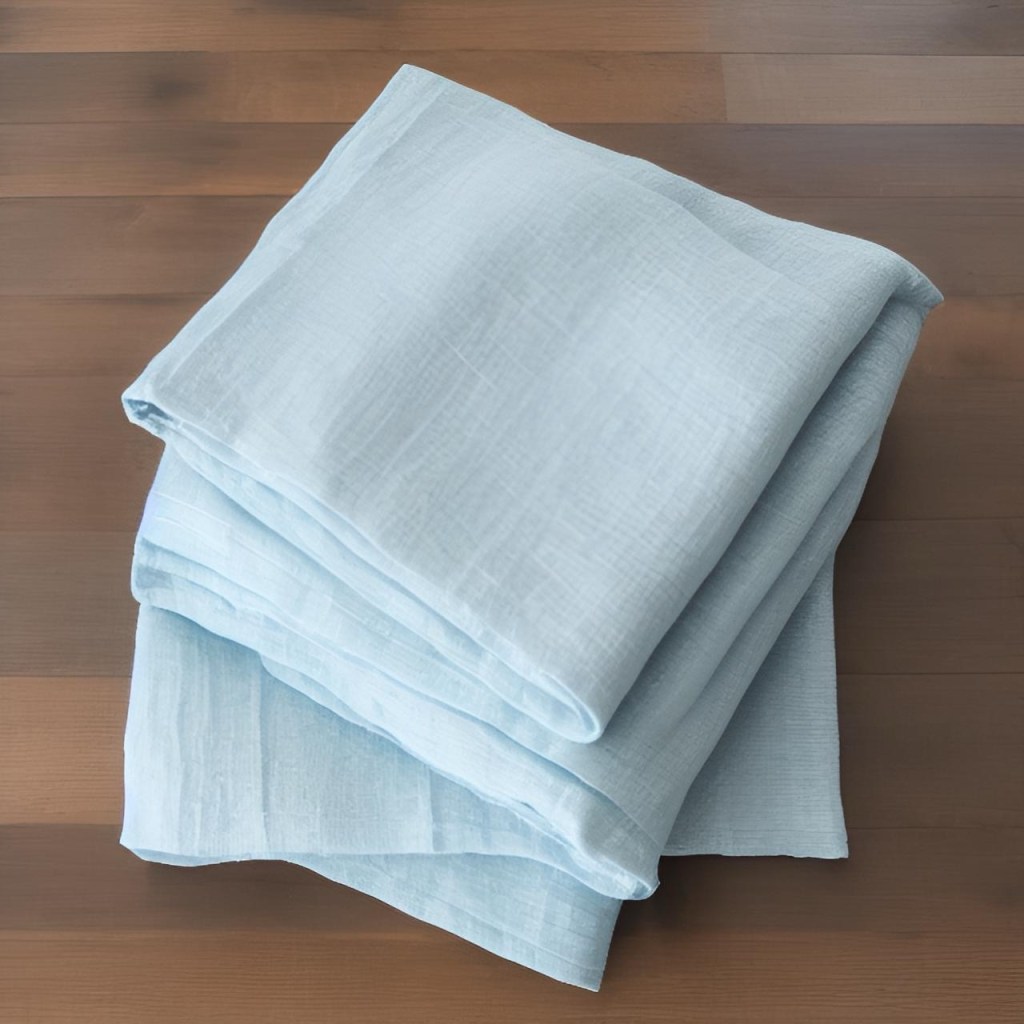
Linen, one of the oldest textiles known to humanity, has been cherished for its unique properties and timeless appeal. Made from the fibers of the flax plant, linen yarn brings a blend of durability, comfort, and environmental benefits that make it a superb choice for clothing and home textiles. Let’s explore why linen yarn stands out and why incorporating it into your wardrobe is a great decision for both you and the planet.
The Unique Properties of Linen Yarn
1. Natural Strength and Durability
Linen yarn is renowned for its strength. The fibers of the flax plant are incredibly strong, making linen one of the most durable natural fibers available. Garments made from linen can withstand frequent wear and washing, ensuring they remain a staple in your wardrobe for many years. This durability also makes linen an excellent choice for home textiles like tablecloths and bed linens.
2. Breathability and Comfort
Linen is highly breathable, which is one of its standout qualities. The natural structure of linen fibers allows air to flow freely, making it an ideal fabric for warm weather. It keeps you cool and comfortable, wicking moisture away from your skin and drying quickly. This breathability also means that linen garments remain fresh and odor-free, even in hot and humid conditions.
3. Natural Texture and Elegance
Linen has a distinct, crisp texture that softens beautifully with each wash. This natural texture gives linen garments a sophisticated and relaxed look, perfect for both casual and formal wear. Linen’s natural sheen adds an element of understated elegance, making it a favorite among designers and fashion enthusiasts.
4. Hypoallergenic and Skin-Friendly
Linen is hypoallergenic and gentle on the skin. It is a natural fiber that doesn’t cause irritation, making it a great choice for those with sensitive skin or allergies. Linen’s ability to absorb moisture without feeling damp helps maintain healthy skin, providing a comfortable wearing experience.
Environmental Benefits of Linen Yarn
1. Sustainable and Renewable
Linen is derived from the flax plant, which is a renewable resource. Flax plants require minimal water and pesticides compared to other crops, making linen a more sustainable option. Additionally, flax can grow in poor soil conditions where other crops might fail, contributing to more efficient land use.
2. Biodegradable and Eco-Friendly
Linen is a biodegradable fiber, meaning it breaks down naturally without polluting the environment. This contrasts with synthetic fibers, which can take hundreds of years to decompose and often release harmful microplastics. Choosing linen helps reduce the impact on landfills and supports a healthier planet.
3. Low Environmental Impact
The production of linen has a relatively low environmental footprint. Flax farming requires fewer chemical inputs and less energy compared to the production of synthetic fibers. Furthermore, every part of the flax plant can be used, minimizing waste. The byproducts of linen production can be used in other industries, such as paper manufacturing, contributing to a circular economy.
4. Long-Lasting and Waste-Reducing
The durability of linen means that garments made from this fiber have a long lifespan, reducing the need for frequent replacements. This longevity translates to less waste and a lower overall demand for new resources. Investing in linen clothing is an eco-conscious choice that promotes sustainable consumption.
Why Choose Linen Yarn?
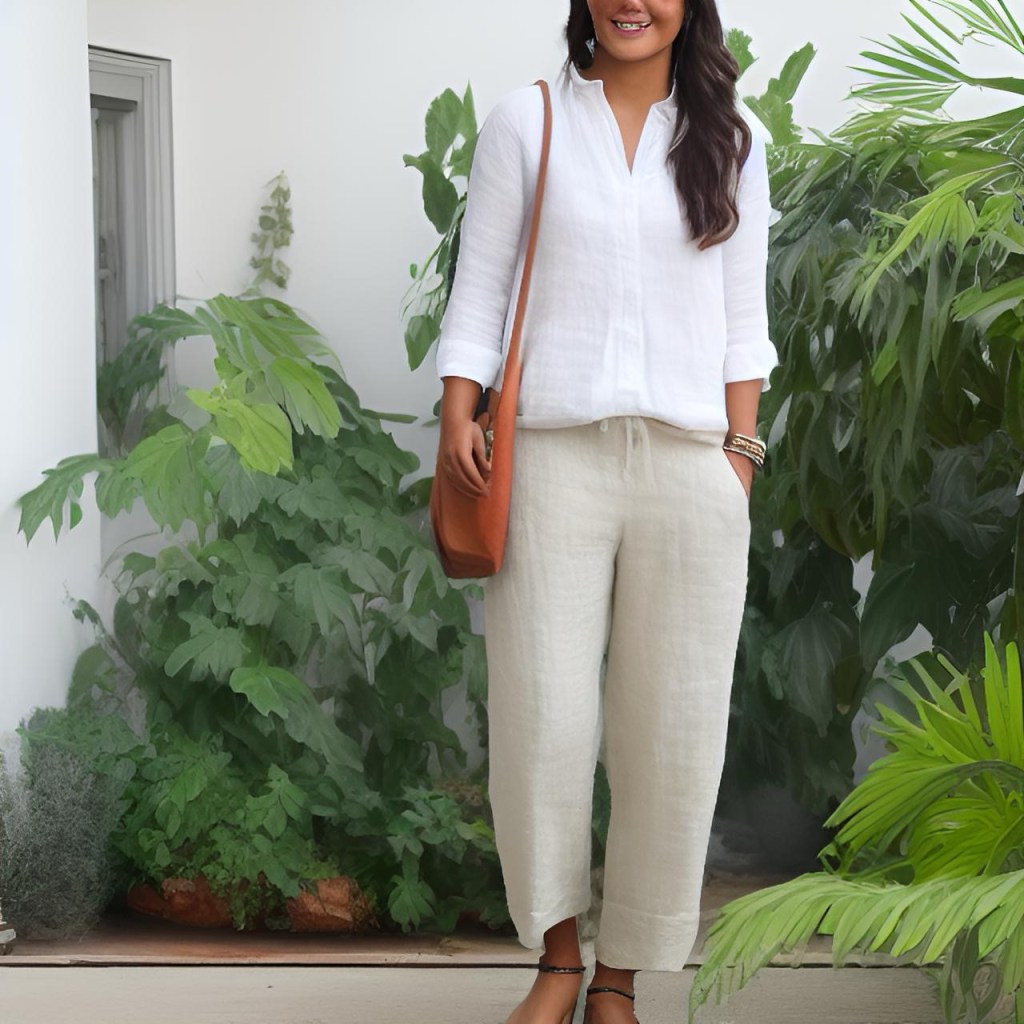
Choosing linen yarn means embracing a fabric that combines natural elegance, superior comfort, and environmental responsibility. Whether you’re looking for breathable summer clothes, timeless home textiles, or stylish accessories, linen offers a versatile and eco-friendly option. Its unique properties make it a joy to wear, while its sustainability credentials align with a commitment to protecting our planet.
So, next time you’re refreshing your wardrobe or updating your home decor, consider the many benefits of linen. You’ll enjoy the lasting quality and comfort of this natural fiber while making a positive impact on the environment. With linen, you can experience the best of both worlds: luxurious, breathable garments that are kind to your skin and to our Earth. Embrace the elegance and sustainability of linen yarn, and discover why it has been treasured for centuries.
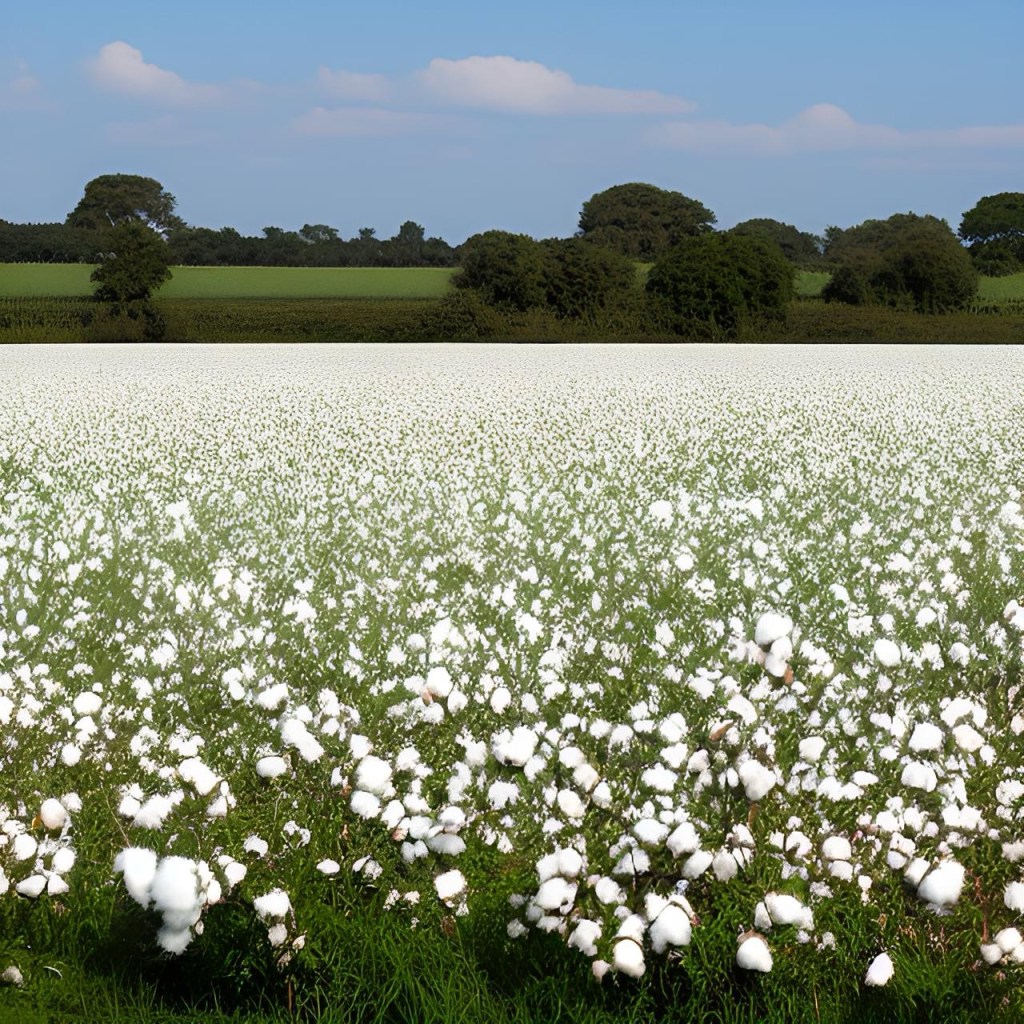
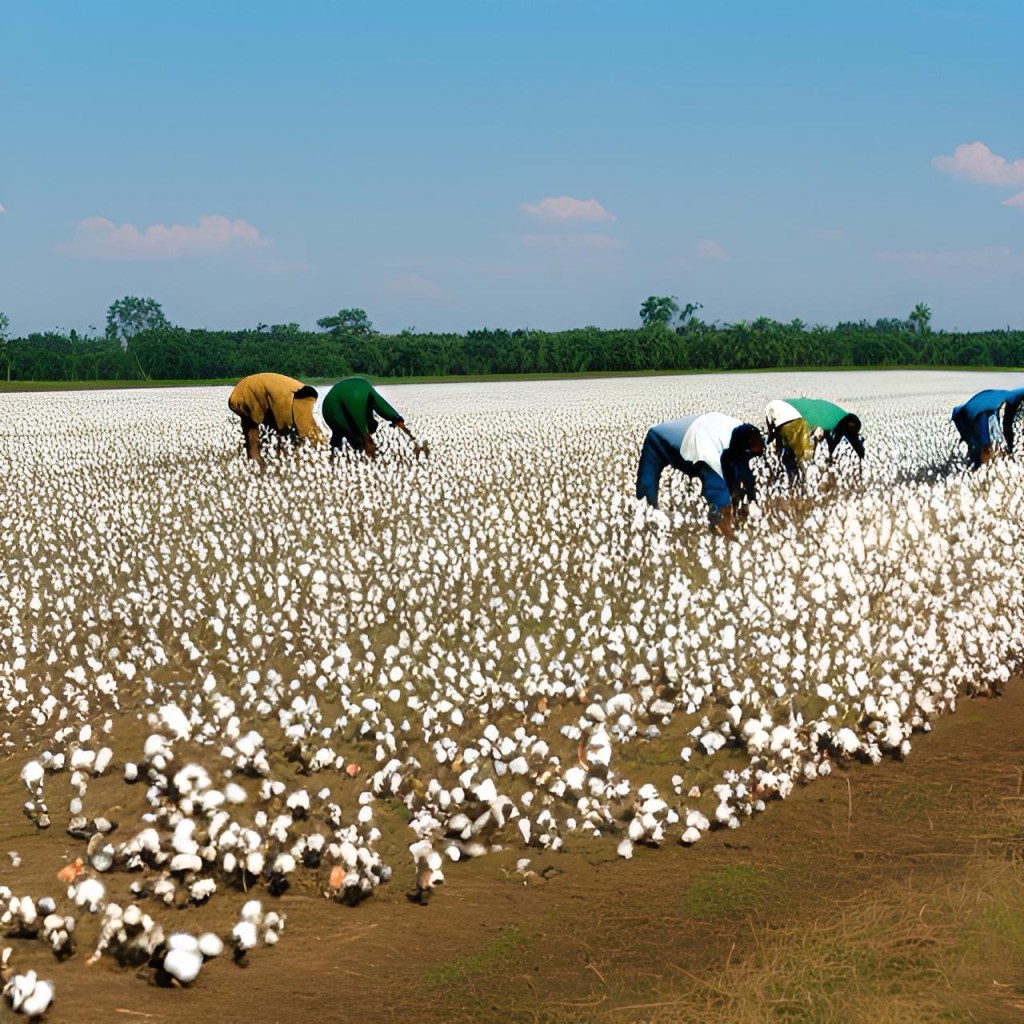
When it comes to fabrics that have stood the test of time, cotton yarn is a true classic. Loved for its softness, durability, and natural beauty, cotton is a staple in wardrobes around the world. But did you know that choosing cotton garments can also be a great decision for the environment? Let’s explore the wonderful properties and benefits of cotton yarn and discover why it’s a fantastic choice for both you and the planet.
The Comfort and Versatility of Cotton Yarn
1. Softness and Breathability
Cotton yarn is renowned for its softness, making it a comfortable choice for everyday wear. Whether it’s a cozy sweater, a light summer dress, or a pair of comfy pajamas, cotton feels gentle against your skin. Its natural breathability ensures that air circulates freely, keeping you cool and comfortable, especially in warmer weather.
2. Moisture Absorption
Cotton is highly absorbent, which means it can efficiently wick away moisture from your skin. This property makes cotton garments particularly comfortable in humid conditions or during physical activity. Cotton towels, for instance, are a staple in many households for their ability to absorb moisture effectively.
3. Hypoallergenic
Cotton is a natural fiber that is less likely to cause skin irritation or allergies compared to synthetic fibers. This makes it an excellent choice for people with sensitive skin, including babies and those with skin conditions like eczema. Cotton’s hypoallergenic properties ensure that it’s gentle and safe for everyone.
4. Durability
Despite its softness, cotton yarn is incredibly durable. Cotton fibers are strong and can withstand repeated washing and wear without losing their shape or quality. This durability ensures that cotton garments remain a staple in your wardrobe for years, offering excellent value for your investment.
Environmental Benefits of Cotton Yarn
1. Renewable and Biodegradable
Cotton is a natural and renewable resource. It is grown from cotton plants, which are cultivated annually, providing a continuous supply of this versatile fiber. Additionally, cotton is biodegradable, meaning that it breaks down naturally over time without leaving harmful residues, unlike many synthetic fibers.
2. Lower Environmental Impact
The cultivation and processing of cotton have evolved to become more environmentally friendly. Sustainable farming practices, such as organic cotton farming, reduce the need for harmful pesticides and synthetic fertilizers, minimizing the environmental impact. Organic cotton farming also promotes soil health and biodiversity.
3. Reduced Water and Energy Usage
Advancements in cotton farming and processing techniques have significantly reduced water and energy consumption. Modern irrigation methods and rain-fed cotton farming help conserve water, while energy-efficient processing technologies lower the carbon footprint of cotton production. Additionally, cotton garments often require less energy-intensive care, as they can be washed in cold water and air-dried.
4. Eco-Friendly Alternatives
Choosing cotton yarn supports the development of eco-friendly alternatives to synthetic fabrics. Innovations like recycled cotton yarn, which is made from pre-consumer and post-consumer cotton waste, further enhance the sustainability of cotton products. These practices contribute to a circular economy, reducing waste and promoting resource efficiency.
Why Choose Cotton Yarn?
Opting for cotton yarn means embracing a fabric that offers comfort, versatility, and environmental benefits. Whether you’re looking for everyday basics, stylish fashion pieces, or cozy home textiles, cotton has you covered. Its natural properties make it a joy to wear, while its sustainability credentials align with a growing commitment to eco-friendly living.
So, next time you’re shopping for new clothes or home essentials, consider reaching for cotton. You’ll experience the timeless comfort and durability of this natural fiber, all while making a positive impact on the environment. By choosing cotton yarn, you’re supporting a sustainable future, one cozy garment at a time.
When it comes to versatile, comfortable, and eco-friendly fabrics, Merino wool stands out as a true wonder of nature. Hailing from Merino sheep, this wool offers a range of properties that make it an excellent choice for clothing. Let’s dive into what makes Merino wool so special and why it’s a fantastic option for both you and our planet.
Unmatched Comfort and Performance
1. Softness and Comfort:
One of the standout features of Merino wool is its incredible softness. Unlike traditional wool, which can be itchy and uncomfortable, Merino wool fibers are much finer. This fine structure makes the wool feel luxuriously soft against your skin, comparable to the finest cotton or silk. It’s perfect for all kinds of garments, from base layers to stylish outerwear.
2. Breathability and Temperature Regulation:
Merino wool is a natural insulator. Its fibers can trap air, helping to keep you warm in cold conditions. At the same time, Merino wool is highly breathable, wicking moisture away from your skin and allowing it to evaporate. This dual capability makes it ideal for both winter and summer wear. Whether you’re skiing down a mountain or hiking on a sunny day, Merino wool will keep you comfortable by regulating your body temperature.
3. Odor Resistance:
One of the lesser-known yet highly appreciated properties of Merino wool is its natural ability to resist odors. The fibers can absorb moisture without feeling wet, and they inhibit the growth of odor-causing bacteria. This means you can wear Merino wool garments multiple times between washes, making them perfect for travel and active lifestyles.
4. Durability and Flexibility:
Merino wool is remarkably durable despite its softness. The fibers are naturally elastic, allowing them to stretch and return to their original shape. This elasticity means that Merino wool garments can withstand the rigors of everyday wear and active use, maintaining their shape and appearance over time.
Environmental Benefits
1. Renewable and Sustainable:
Merino wool is a renewable resource. Merino sheep produce a new fleece every year, providing a continuous supply of wool. This natural cycle makes Merino wool a sustainable choice compared to synthetic fibers, which are often derived from non-renewable petroleum-based resources.
2. Biodegradable:
When disposed of, Merino wool decomposes naturally, releasing valuable nutrients back into the soil. Unlike synthetic fibers that can take hundreds of years to break down and often contribute to microplastic pollution, Merino wool leaves no harmful residue, making it an eco-friendly option.
3. Reduced Chemical Use:
The production of Merino wool requires fewer harsh chemicals compared to synthetic fabrics. Merino sheep are typically raised on natural pastures, and the wool processing involves fewer synthetic dyes and treatments. This reduction in chemical use is better for the environment and safer for workers in the textile industry.
4. Energy Efficiency:
Producing Merino wool garments generally requires less energy compared to synthetic fabrics. The energy used in processing and manufacturing Merino wool is lower, contributing to a smaller carbon footprint. Additionally, because Merino wool garments require less frequent washing due to their odor resistance, they help save water and energy in the long run.
Why Choose Merino Wool?
Choosing Merino wool means choosing comfort, performance, and environmental responsibility. Whether you’re an outdoor enthusiast, a busy professional, or someone who simply values high-quality, sustainable clothing, Merino wool offers something for everyone. Its unique properties make it a versatile fabric for all seasons and activities, and its environmental benefits align with a growing commitment to sustainable living.
So next time you’re shopping for new clothes or you want to make them yourself, consider adding Merino wool to your wardrobe. You’ll not only enjoy the incredible comfort and functionality of this natural fiber but also contribute to a healthier planet. Embrace the magic of Merino wool and experience firsthand why it’s a beloved choice for people around the world.
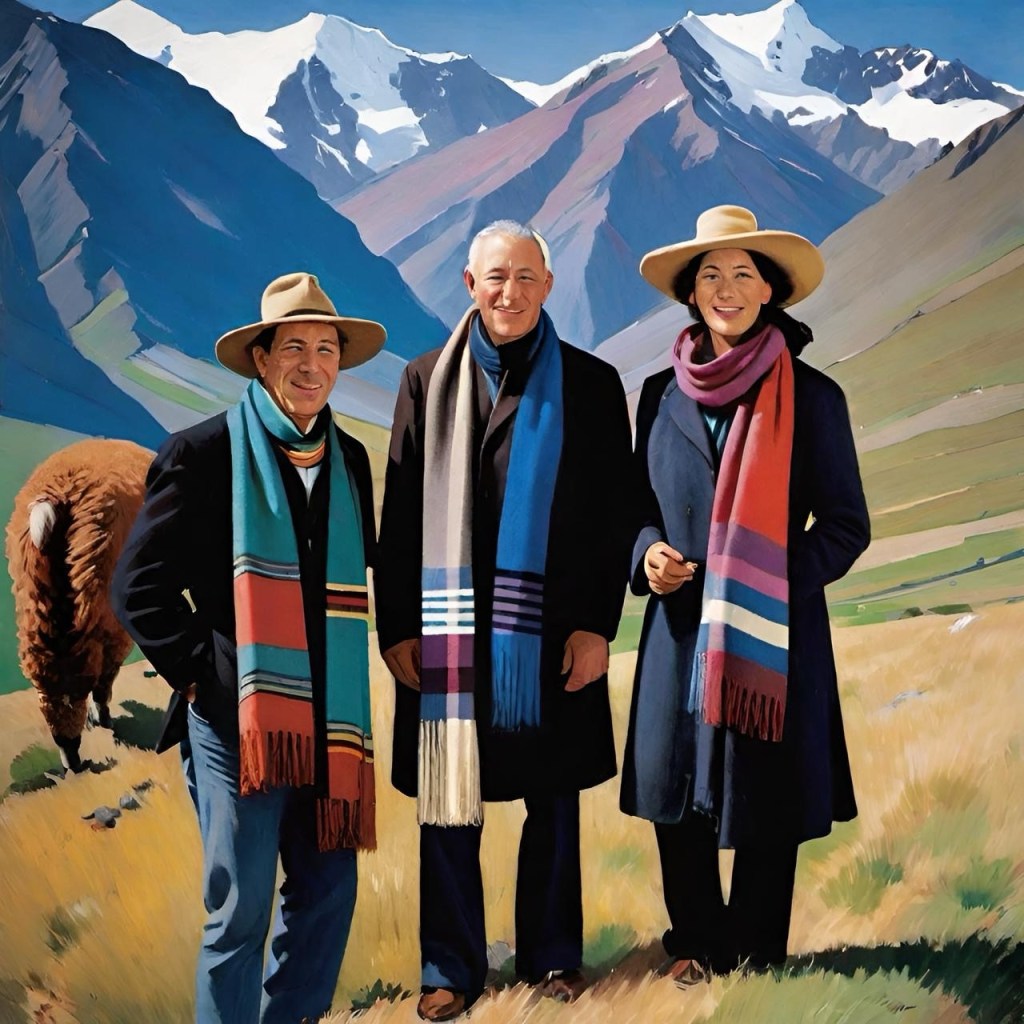
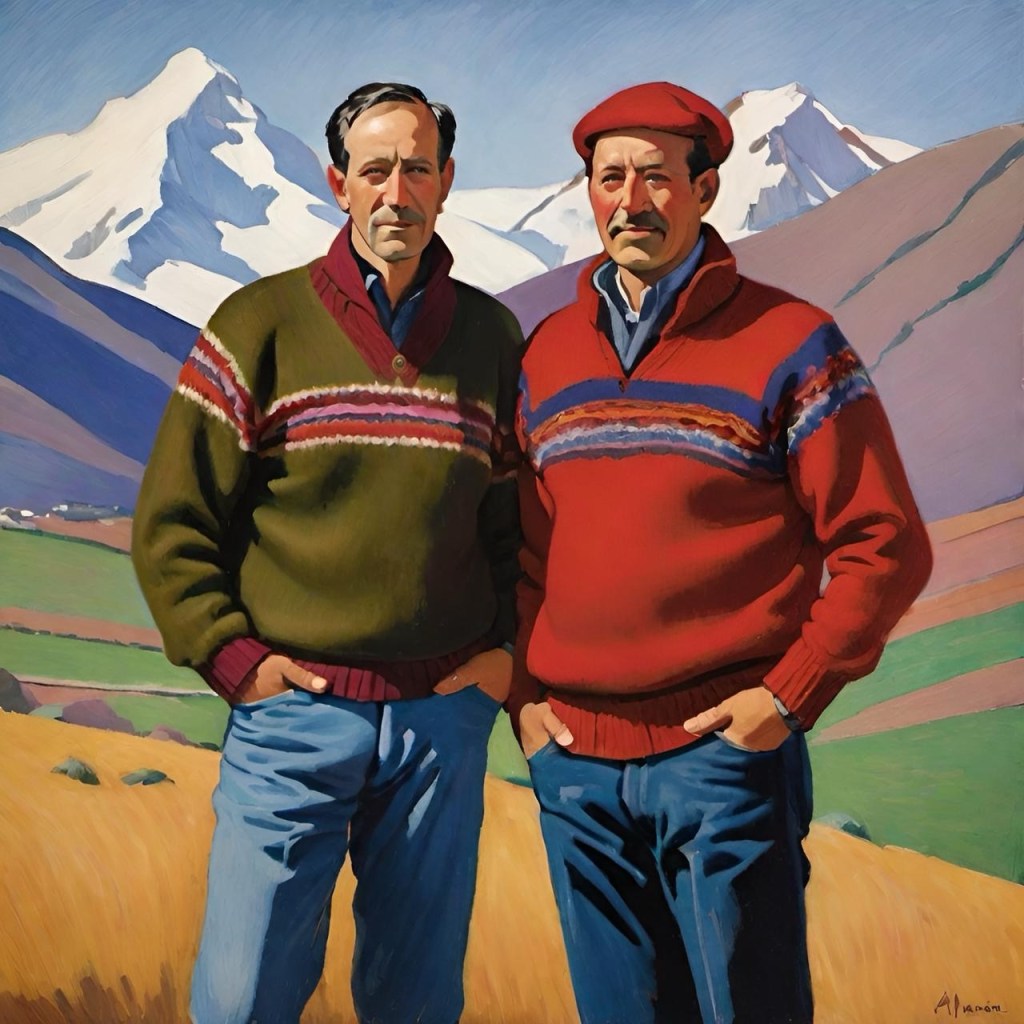
Azi m-am gândit să ne documentăm puțin despre proprietățile și beneficiile fibrei de alpaca.
De ce este bine să alegem hainele din fibre naturale, cum ar fi fibra de alpaca în acest caz…
Fibra de Alpaca
Proprietăți și Beneficii
Fibra de alpaca este recunoscută pentru calitățile sale deosebite, fiind una dintre cele mai apreciate materiale naturale pentru confecționarea hainelor. Alpaca, un animal originar din America de Sud, produce o lână fină, moale și luxoasă, care se remarcă prin câteva proprietăți remarcabile.
Proprietăți ale Fibrei de Alpaca
1. Moale și Plăcută la Atingere
Fibra de alpaca este extrem de fină, fiind comparabilă cu cea a casmirului. Aceasta este foarte confortabilă și delicată pe piele, fiind potrivită chiar și pentru persoanele cu pielea sensibilă.
2. Durabilitate
Spre deosebire de alte fibre naturale, lâna de alpaca este foarte rezistentă. Hainele din alpaca pot dura ani de zile fără a se deteriora sau a-și pierde forma.
3. Izolare Termică Excelentă
Lâna de alpaca are capacitatea de a izola foarte bine, menținând căldura corpului în timpul iernii și oferind o senzație de răcoare în sezonul cald. Această proprietate o face ideală pentru toate anotimpurile.
4. Ușoară și Respirabilă
Fibra este ușoară, ceea ce contribuie la confortul general al hainelor, și permite pielii să respire, prevenind astfel supraîncălzirea și transpirația excesivă.
5. Hipoalergenică
Spre deosebire de lâna obișnuită, fibra de alpaca nu conține lanolină, o substanță care poate provoca alergii. Acest aspect face hainele din alpaca potrivite pentru cei cu sensibilitate la lanolină sau alte alergii legate de lână.
6. Rezistență la Apă și Pătare
Fibra de alpaca este natural rezistentă la apă și murdărie, datorită structurii sale unice. Aceasta se usucă rapid și nu absoarbe umezeala, ceea ce ajută la menținerea prospețimii hainelor.
7. Varietate de Culori
Alpaca vine în numeroase nuanțe naturale, de la alb și gri până la maro și negru. Această diversitate permite producerea hainelor în culori variate, fără a necesita vopsirea chimică.
De ce să Alegem Haine din Lână de Alpaca?
Hainele din lână de alpaca sunt recomandate datorită numeroaselor avantaje pe care le oferă. În primul rând, confortul superior și senzația plăcută pe piele fac aceste haine o alegere excelentă pentru orice ocazie. Durabilitatea și rezistența fibrei înseamnă că investiția într-o haină de alpaca se va dovedi rentabilă pe termen lung.
În plus, capacitatea de izolare termică și proprietățile hipoalergenice fac hainele din alpaca potrivite pentru o gamă largă de utilizatori, inclusiv pentru cei cu pielea sensibilă sau alergii. Nu în ultimul rând, sustenabilitatea și aspectul eco-friendly al fibrei de alpaca contribuie la un stil de viață mai conștient și responsabil din punct de vedere ecologic.
În concluzie, fibra de alpaca oferă un mix ideal de confort, durabilitate și estetică, fiind o alegere excelentă pentru cei care doresc să îmbine calitatea cu sustenabilitatea în garderoba lor.
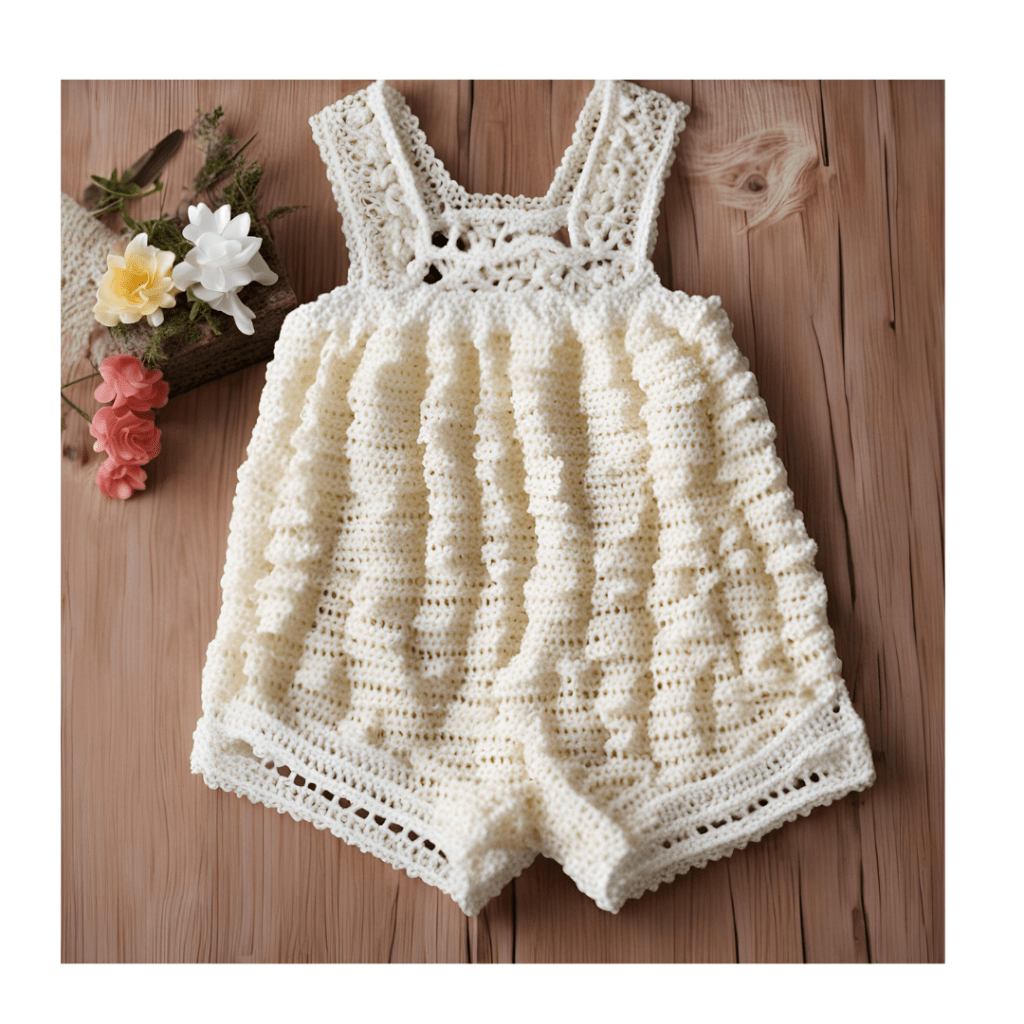
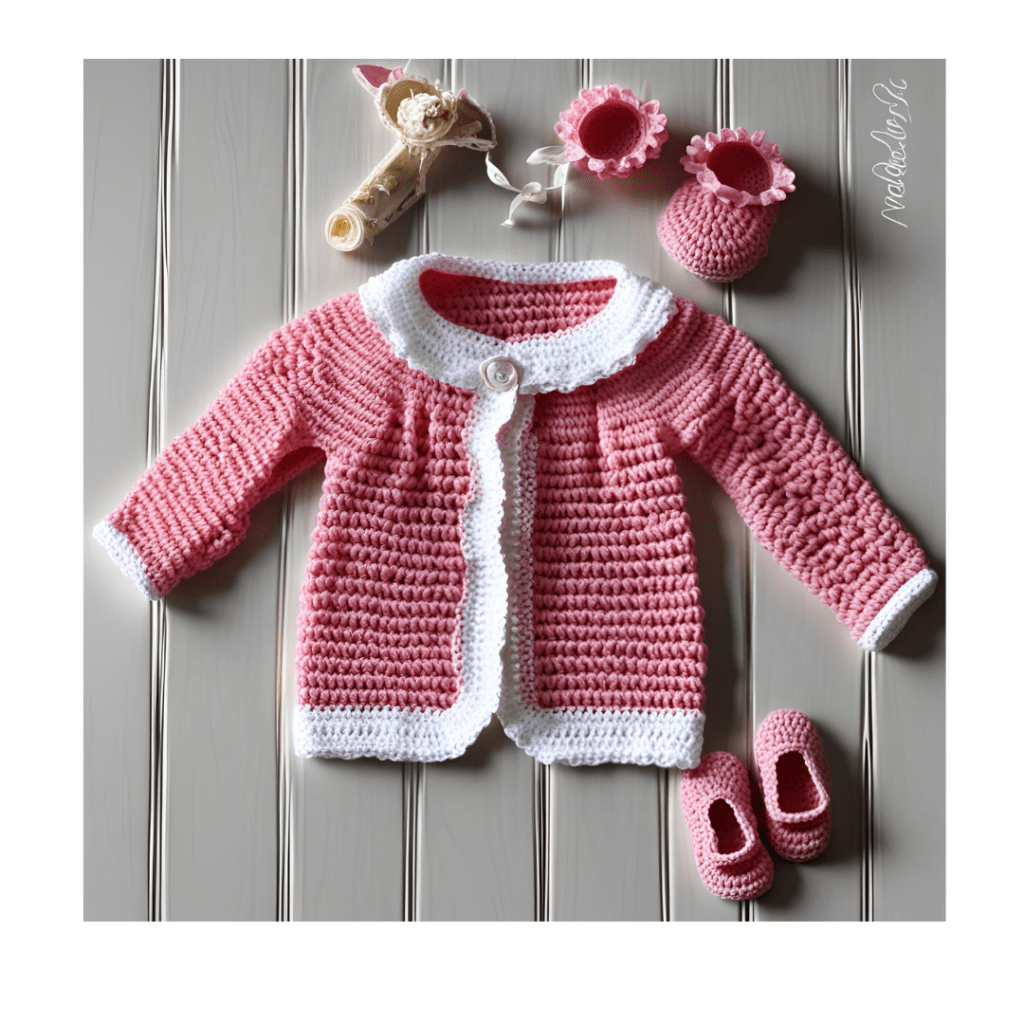
In the world of crochet, there is something undeniably charming about creating adorable baby rompers. These tiny garments are not only fun to make, but they also make for a perfect gift for new parents or a precious addition to any baby’s wardrobe. In this subchapter, we will explore the world of baby rompers and learn how to create them quickly and easily.
For beginners in crochet, baby rompers are a great project to start with. They typically require simple stitches and basic techniques, making them an ideal way to practice your skills. With clear instructions and step-by-step tutorials, you will be able to create your own beautiful baby rompers in no time.
For advanced crocheters, baby rompers offer a chance to showcase your skills and creativity. You can experiment with different yarns, colors, and stitch patterns to create unique and stunning designs. Whether you prefer a classic style or a more modern look, there are endless possibilities when it comes to creating baby rompers.
For DIY lovers, making baby rompers allows you to customize the garment to your liking. You can add embellishments, such as buttons, bows, or appliques, to make each romper truly one-of-a-kind. With a little creativity and imagination, you can turn a simple crochet project into a work of art.
For vintage garments lovers, baby rompers offer a nostalgic and timeless appeal. You can recreate classic designs from the past or put a modern twist on vintage styles. Whichever route you choose to take, creating baby rompers is a rewarding and enjoyable experience that will bring joy to both the maker and the recipient.
Cute Sun Hats for Babies
In the world of crochet, there are few things cuter than a baby in a sun hat. These adorable accessories not only protect delicate skin from the harsh rays of the sun, but they also add a touch of style to any little one’s outfit. In this subchapter, we will explore some of the best patterns and techniques for creating cute sun hats for babies that are both fast and easy to crochet.
For beginners in crochet, creating a sun hat for a baby may seem like a daunting task. However, with the right pattern and a bit of practice, you’ll be surprised at how quickly you can whip up a beautiful and functional accessory for your little one. Many patterns for baby sun hats are designed with beginners in mind, featuring simple stitches and clear instructions that make the process a breeze.
For advanced crocheters looking to expand their skills, creating a sun hat for a baby can be a fun and rewarding challenge. With intricate lace patterns, unique stitch combinations, and creative embellishments, the possibilities are endless when it comes to designing a one-of-a-kind sun hat for a special little one. Advanced crocheters may also enjoy experimenting with different yarn weights and textures to create a truly unique and personalized accessory.
For DIY lovers who enjoy creating handmade gifts for loved ones, a crocheted sun hat for a baby is the perfect project. Whether you’re expecting a new addition to the family or attending a baby shower, a handmade sun hat is a thoughtful and practical gift that is sure to be cherished for years to come. By choosing a pattern that matches the recipient’s style and personality, you can create a truly special and meaningful gift that will be treasured for generations.
For vintage garment lovers who appreciate the timeless charm of classic styles, crocheting a sun hat for a baby is a wonderful way to capture the nostalgia of days gone by. Vintage-inspired patterns often feature delicate lacework, sweet embellishments, and timeless silhouettes that evoke a sense of nostalgia and romance. By choosing a vintage-inspired pattern for a baby sun hat, you can create a charming accessory that is both stylish and timeless.
Easy-to-Crochet Baby Sandals
In this subchapter, we will explore the art of crocheting easy-to-make baby sandals, perfect for the little ones in your life. Whether you are a beginner in crochetting or an advanced crochetter looking for a quick and satisfying project, these adorable sandals are sure to delight.
To get started, you will need some basic supplies such as yarn in your desired color, a crochet hook, and a pair of scissors. You can choose a soft and breathable cotton yarn for a comfortable fit for baby’s delicate feet. The pattern for these sandals is simple and straightforward, making it a great project for those looking to practice their crochet skills.
One of the best things about crocheting baby sandals is that they work up quickly, allowing you to create a cute and practical accessory in no time. These sandals can be customized with different colors and embellishments to suit your personal style. They also make a thoughtful handmade gift for baby showers or birthdays.
Crocheting baby sandals is a fun and rewarding way to showcase your creativity and craftsmanship. The repetitive nature of crochet stitches can be soothing and meditative, making it a great hobby for adults in need of relaxation and stress relief. Plus, seeing the finished product come together before your eyes is incredibly satisfying.
Whether you are a DIY lover, vintage garments enthusiast, or simply enjoy working on fast and easy crochet projects, these baby sandals are a must-try. They are versatile enough to be worn with any outfit, making them a practical addition to any baby’s wardrobe. So grab your crochet hook and yarn, and let’s get started on creating these adorable baby sandals!
Do you have one in your mind? Please, share your ideas with me and let’s put them into practice.
Here some tips for you…
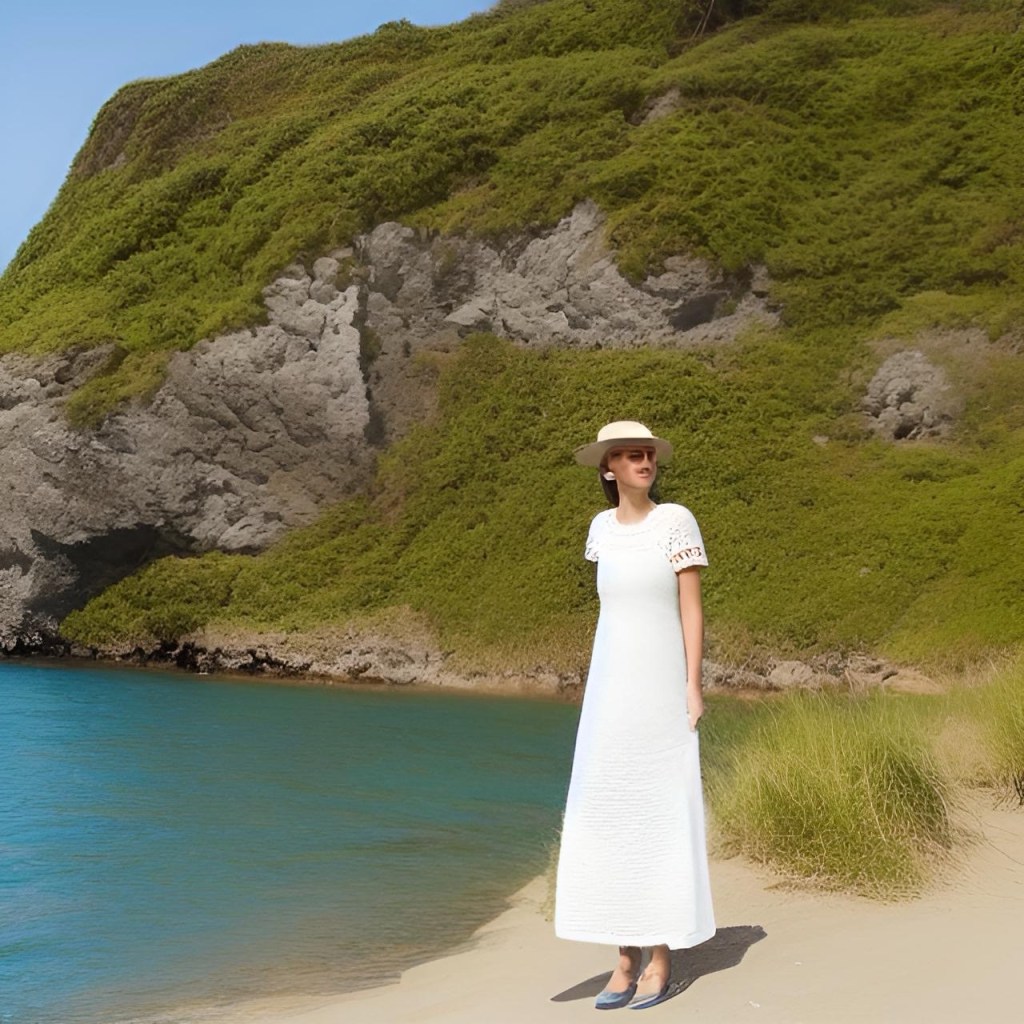
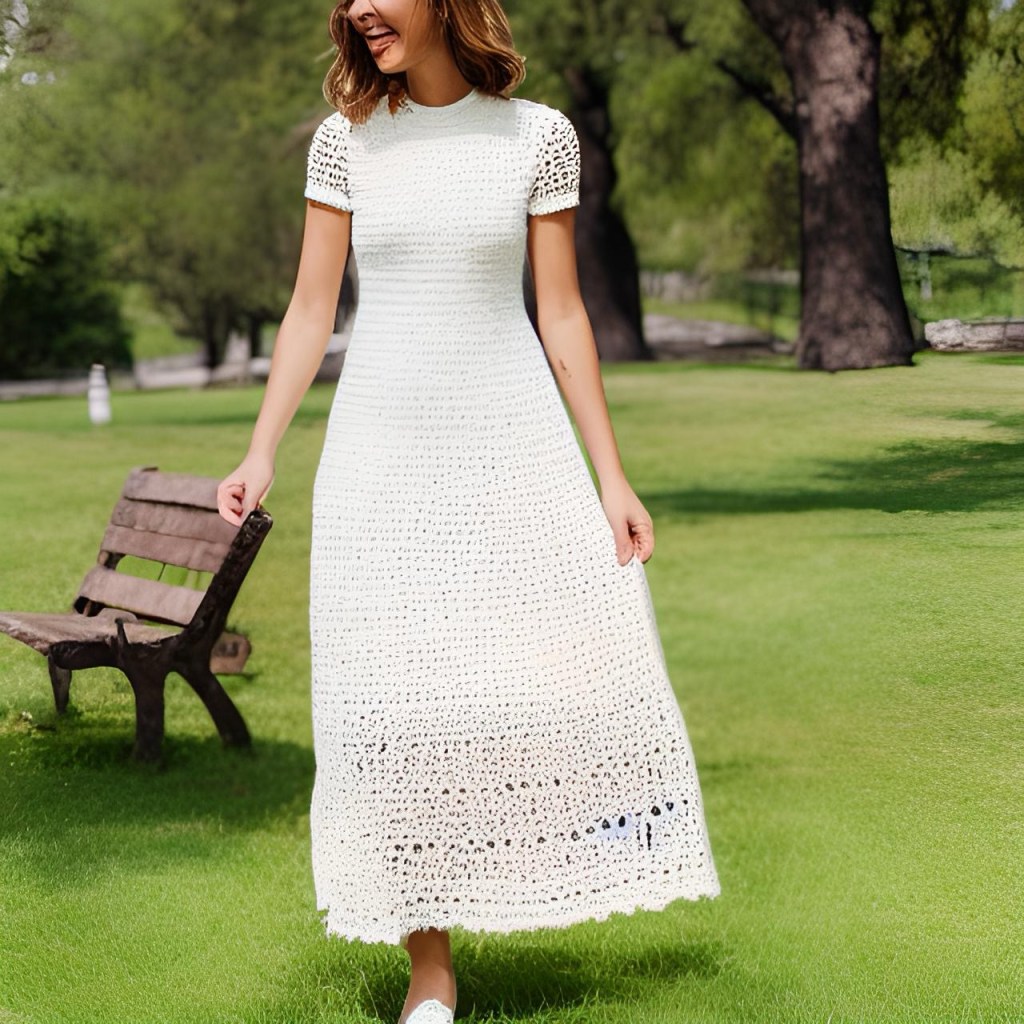
For a beautiful knitted summer dress, you may want to consider using lightweight and breathable yarn such as cotton or linen blend to ensure comfort in the warm weather. You could opt for a sleeveless or short-sleeved design with a flattering A-line silhouette or a flowy maxi dress for a bohemian look. Adding lace or crochet details could elevate the design and make it perfect for a summer day out or a beach getaway.
You can also play around with different stitch patterns like lace, eyelet, or textured stitches to add interest and depth to the dress. Don’t forget to consider the neckline and back details as well, whether it’s a simple scoop neck, V-neck, or a cut-out back to make a statement.
Hi there, beautiful one! 😊
My name is Doini, a rebel soul who always searches to become a better person every day.
I love to create beautiful and useful things, for the house or for wearing.
I love to knit, crochet, sew, to visit places and rarely to cook.
Here you will find little or more from all those above. In fact, this blog is all I love to do ( besides spending precious time with my boys!) and I truly hope you will like it.
And if you do, please, feel free to share on media whatever you liked and, please, don’t forget to link this blog.
All the Knitted and crochet patterns that you find on this site are my property, I do design them and I do ask you kind to not copy&paste for reselling.☝️
But, fell free to reproduce and sell the final product or garment for charity.🤝
I will be grateful if you will link this blog to your created products, if you have created them after the patterns from this blog 🙏🏼
You will also find products that I have created or I do create, inspired from other designers. So, we do learn together 😃. Of course, I will always put the link to the direct designer.
All the pictures, videos, writing & patterns belong to me and they were made by me. If not, I will write or link the owner. If you have any question or suggestion, please, feel free to contact me.
This blog accepts forms of sponsorship.
Thank you for being here. I hope you enjoy the time spend here.
Have a wonderful day, just like you 🌞🌻
Doinita




















 Make it Beautiful - Inner Growth Studio
You must be logged in to post a comment.